

|
|
|
|
by Yvette Depaepe
Published the 23 of November 2026
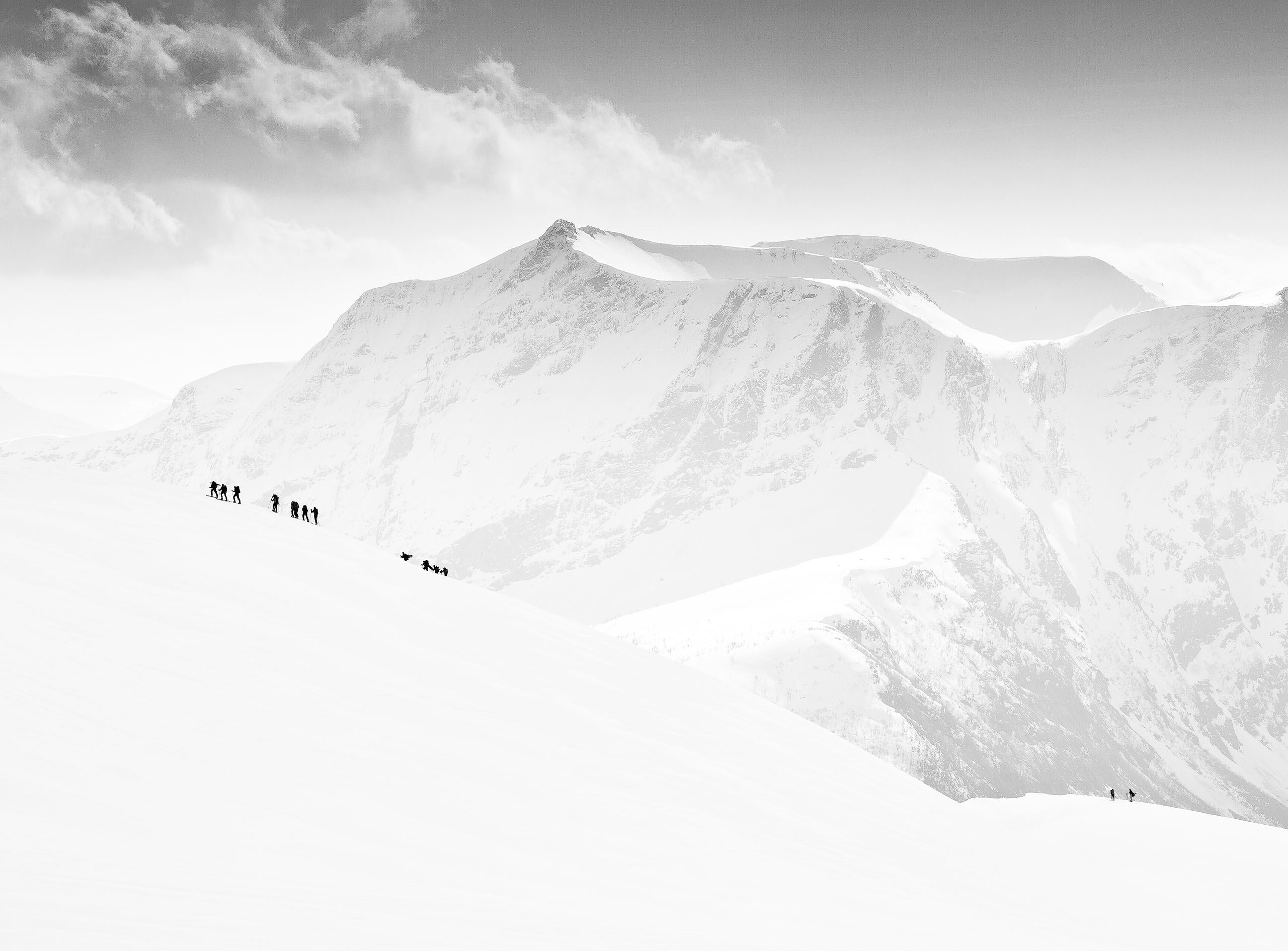
At the heart of Mei Xu’s photographic vision is the desire to capture the dual personality of nature, embracing both its raw, dramatic power and its quiet, minimalist beauty. Whether she is photographing a storm at sunset or the simple, sculptural lines of winter snow and ice, her aim is for her images to feel authentic and emotionally resonant.
Take this opportunity to explore Mei’s portfolio and find out more about this exceptional landscape photographer.
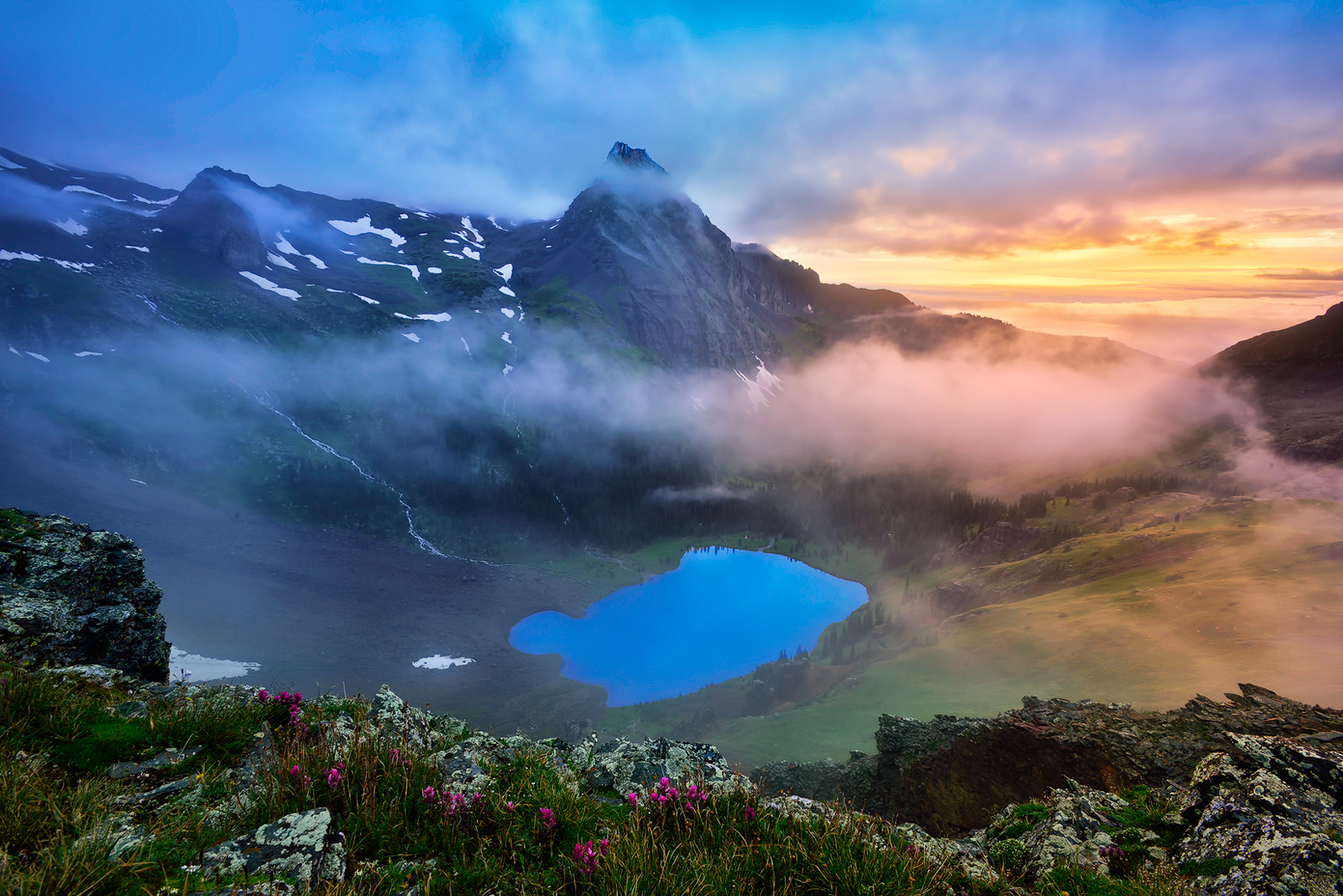
“Colorado Paradise”
Dear Mei, first, I would like to thank you for taking the time to answer this questionnaire. To begin with, could you please introduce yourself briefly and tell us more about yourself, your hobbies and any other projects you are involved in?
Before I retired, I was a molecular biologist at the University of Colorado Medical Centre, where I studied the mechanisms of pituitary tumours. Now, every day feels like a holiday and I can do whatever I like: watching movies until 3am, getting up at noon, and travelling at my own pace, except when I'm rushing to catch a sunrise, sunset or dramatic weather.
I am a photography tour leader whose work has been featured in many magazines, including National Geographic, and exhibited internationally in Beijing, Shanghai, Chongqing, Vancouver and Denver. As well as serving as a DJI ambassador, I was named one of Denver’s nine best landscape photographers by Peerspace in 2022. In 2022, I was also invited to document a land regeneration project in Kansas. In 2025, I had the opportunity to mentor at the HerVersion Women Photographers’ Retreat in California.
When and how did you start your photographic journey?
When I first visited Grand Teton and Yellowstone National Parks in 2003, I was blown away by their majestic landscapes. Since then, I have been trying to figure out how to capture that beauty and bring it home. I bought my first digital camera in 2005, taught myself some photography techniques, and then started posting my work on social media. I have learned a lot from other photographers on various platforms since joining.
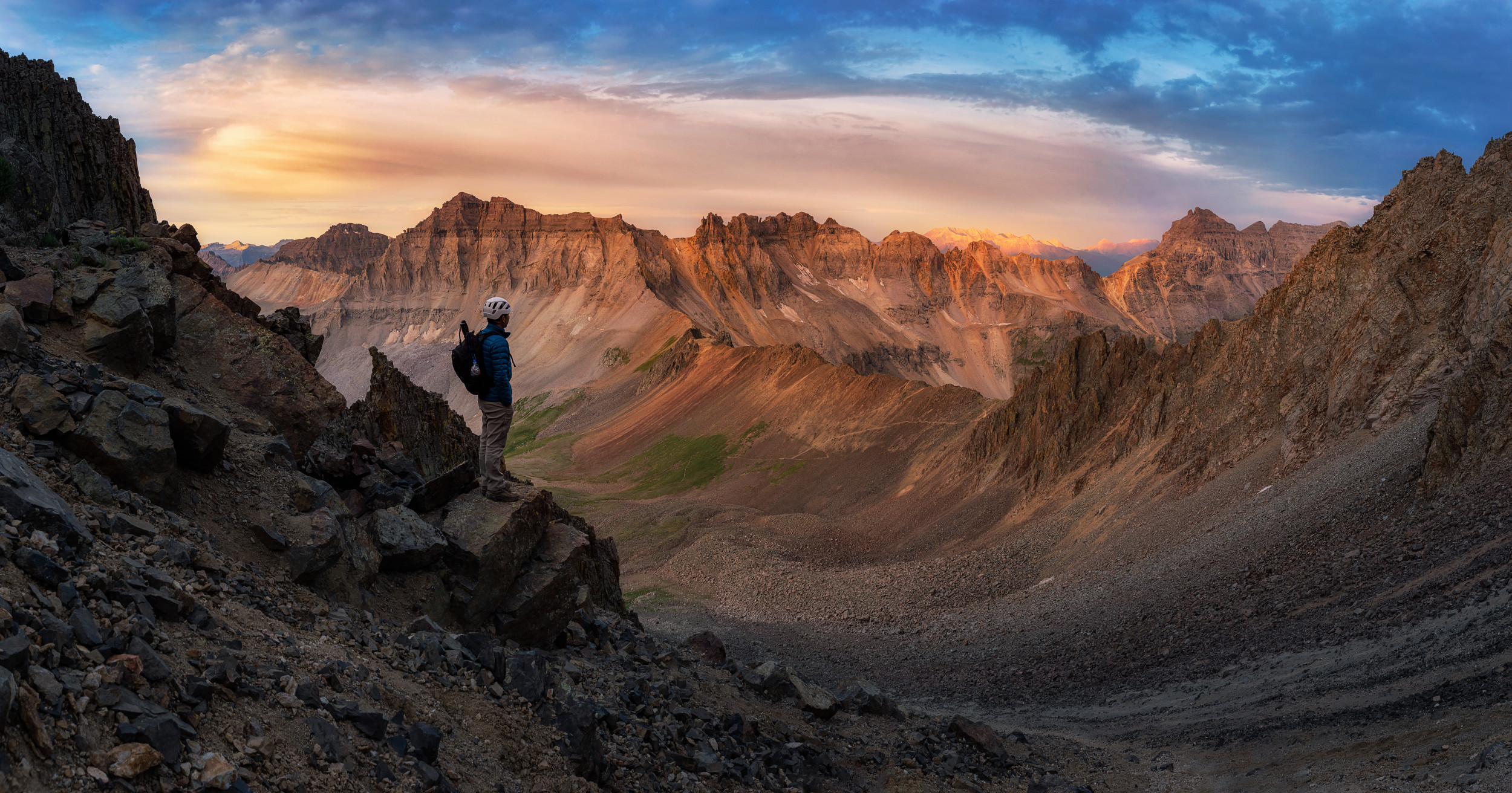
“On the Way to Mountain Sneffels”
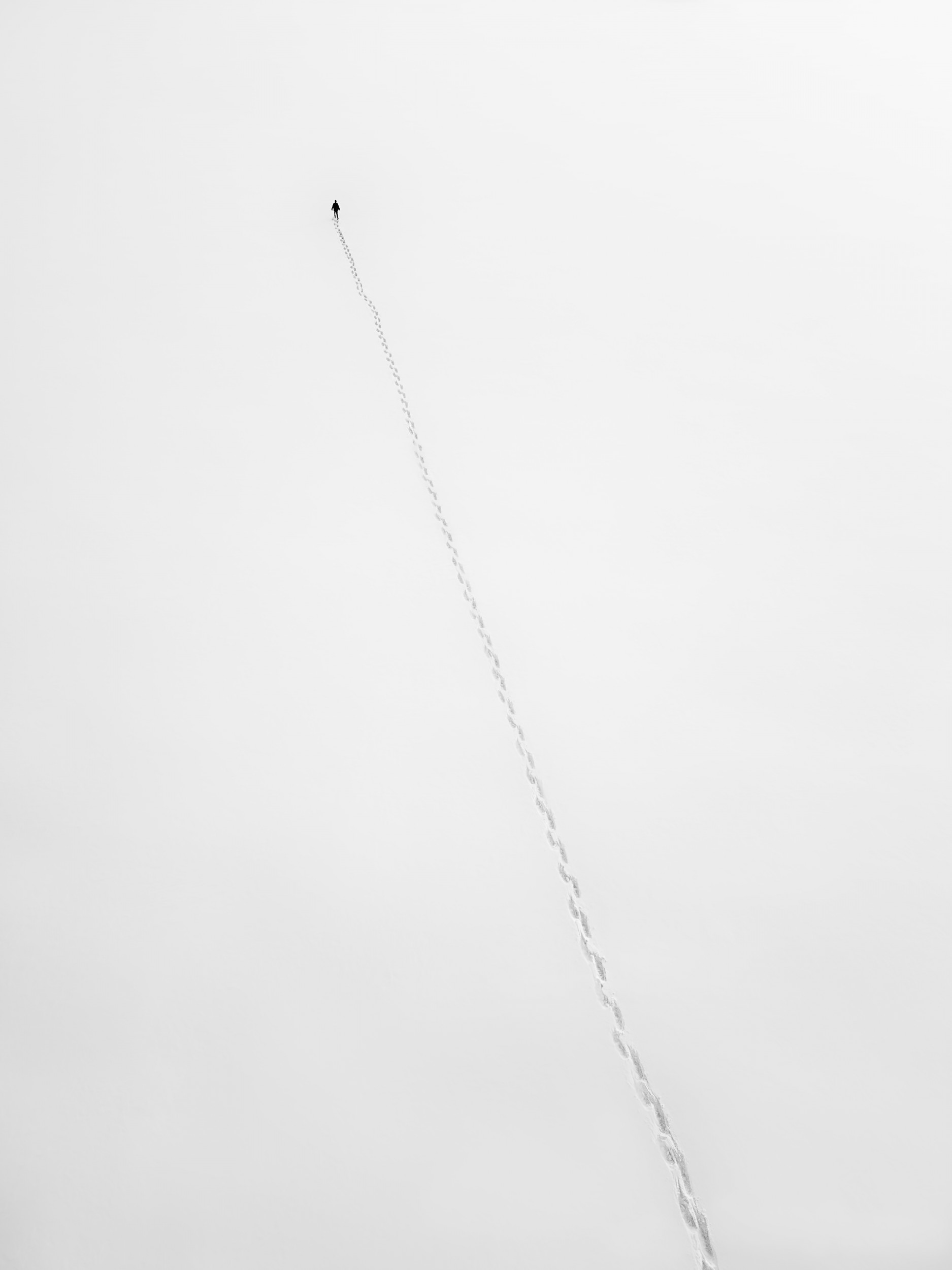
“To Where?”
What is the most important experience that has influenced your journey in photography so far?
Looking at a friend’s lightbox was the most influential experience in my photography journey. He is a film photographer who has travelled to many remote areas across Colorado and the American West. When he placed his slides on the lightbox for me, I was amazed. The landscapes were so breathtaking that I knew I had to see them for myself and capture them with my camera.
Another photography trip taught me that safety is the top priority above all else. During a hiking and photography trip in Rocky Mountain National Park, I thought I knew the trail well enough not to use a tracking system, but I still ended up getting lost in the snowy mountains. Fortunately, I had one bar of mobile signal and was able to call my husband to explain my situation. He immediately called 911. Five hours later, just as a snowstorm was about to start, two park rangers arrived and saved my life. Since then, I have always carried a tracking system whenever I go hiking, especially when photographing sunsets.
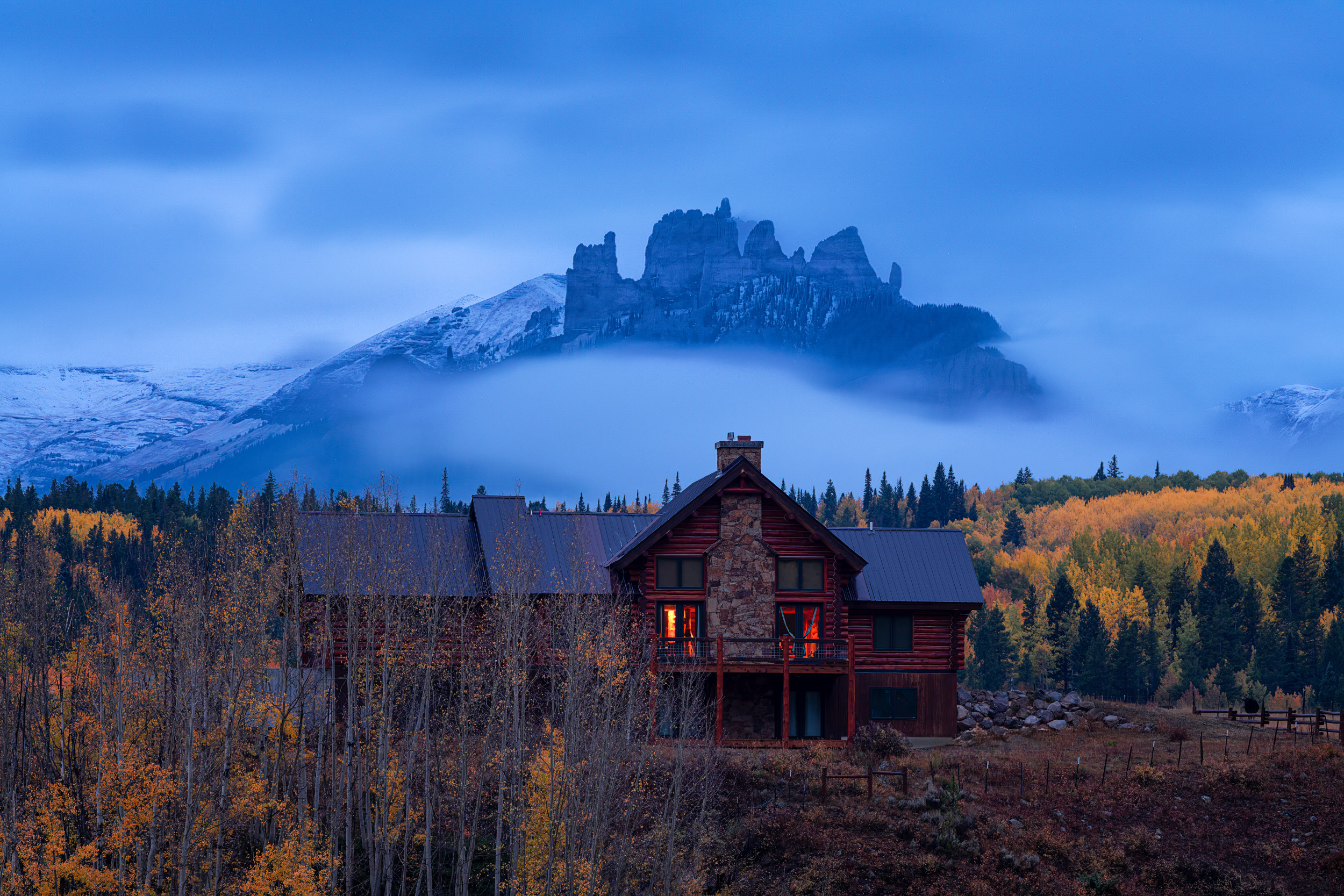
“Castle Rock at Autumn Dawn”
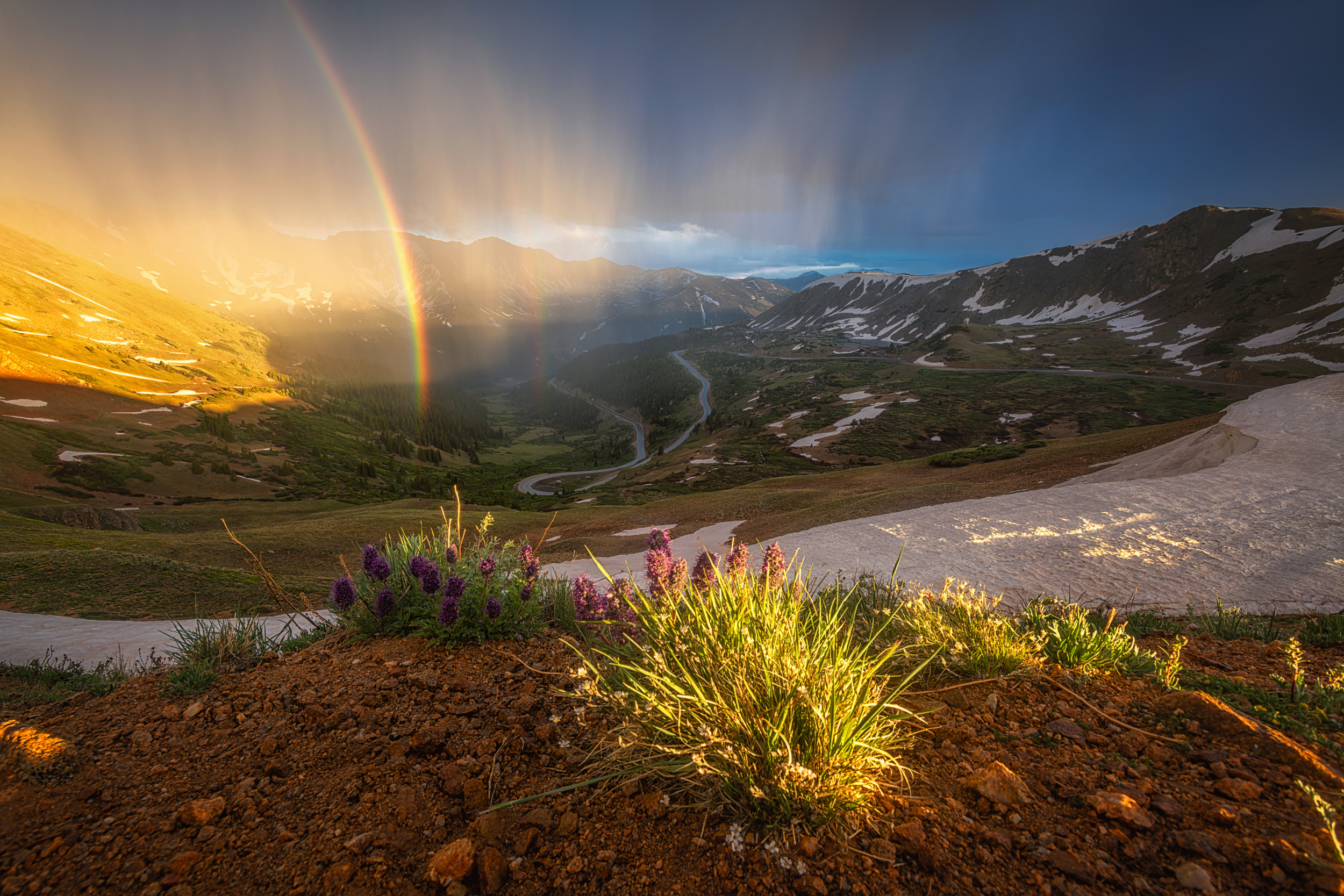
“Monsoon Season at Loveland Pass”
You have your own unique style. What draws you to landscape photography in particular?
The thing that draws me to landscape photography is simply being outdoors in the fresh air and immersing myself in nature. Unlike studio photography, landscapes are on a grand scale and completely unpredictable — you can't control the clouds, the wind or the light. Even with modern weather apps, the weather in the mountains rarely follows the forecast, as I have learned from experience. This unpredictability makes every trip a thrilling challenge and a unique experience. As well as the scenery itself, spending so much time outside has taught me a great deal about the natural world, including wildflowers, insects, birds, and wildlife.
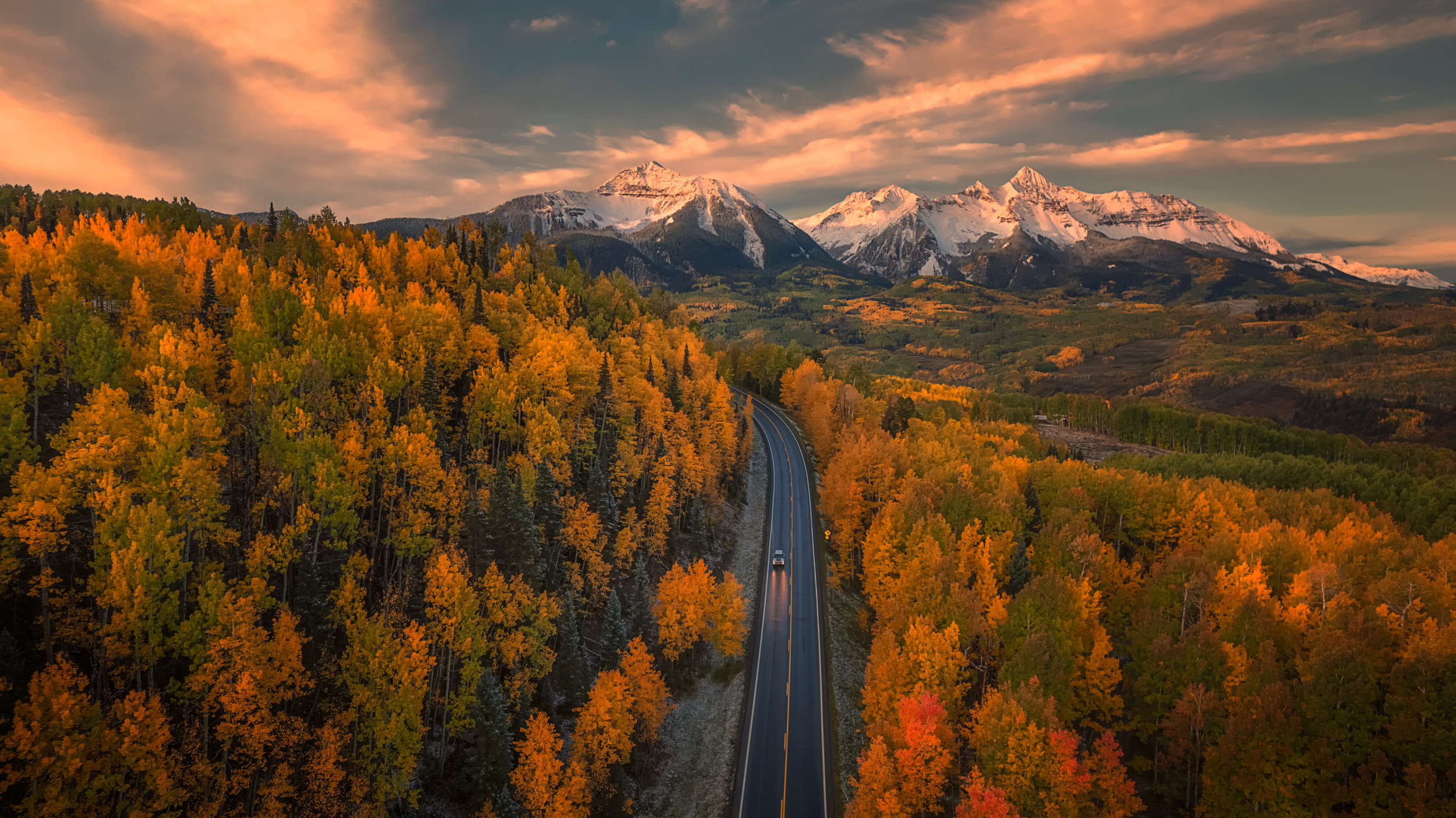
“Driving in Paradise”
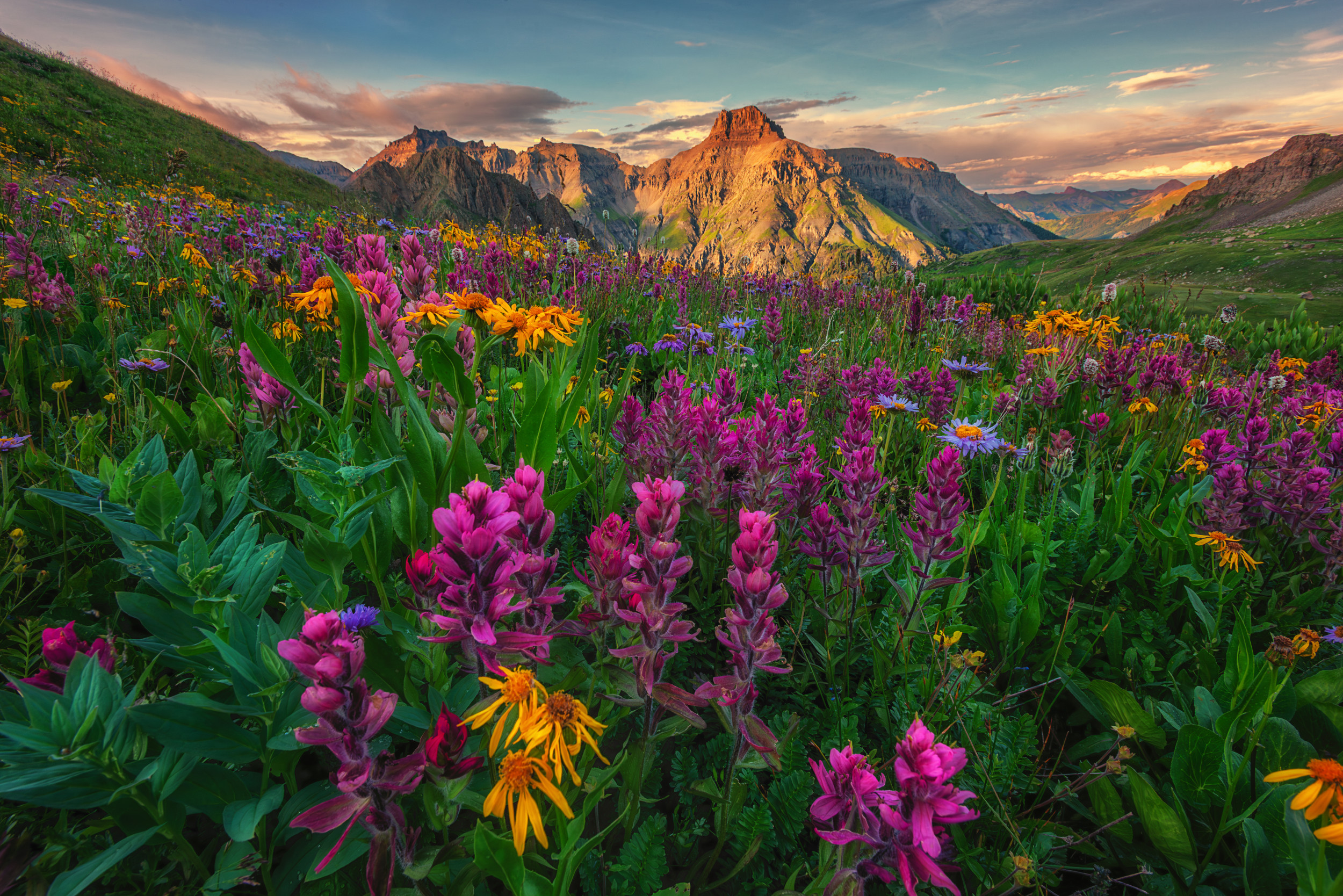
“Carpet of Wildflowers in Colorado”
As a landscape photographer, which season is your favorite?
Without a doubt, winter is my favorite season. Winter feels truly magical. In other seasons, H₂O only exists in one form—liquid water—but in winter, it transforms into so many fascinating shapes, from ice cracks and icebergs to frozen methane bubbles and delicate snowflakes. When a lake freezes over, you can actually walk out onto the ice to find completely new perspectives to shoot. When fresh snow blankets the ground like nature’s cleanser, it creates incredible opportunities for minimalist photography. That is the happy hour for drone photography. In winter even the trees take on a more sculptural, stylish look, and the light is much softer. Low temperatures act like a magic wand, creating truly marvelous scenes.
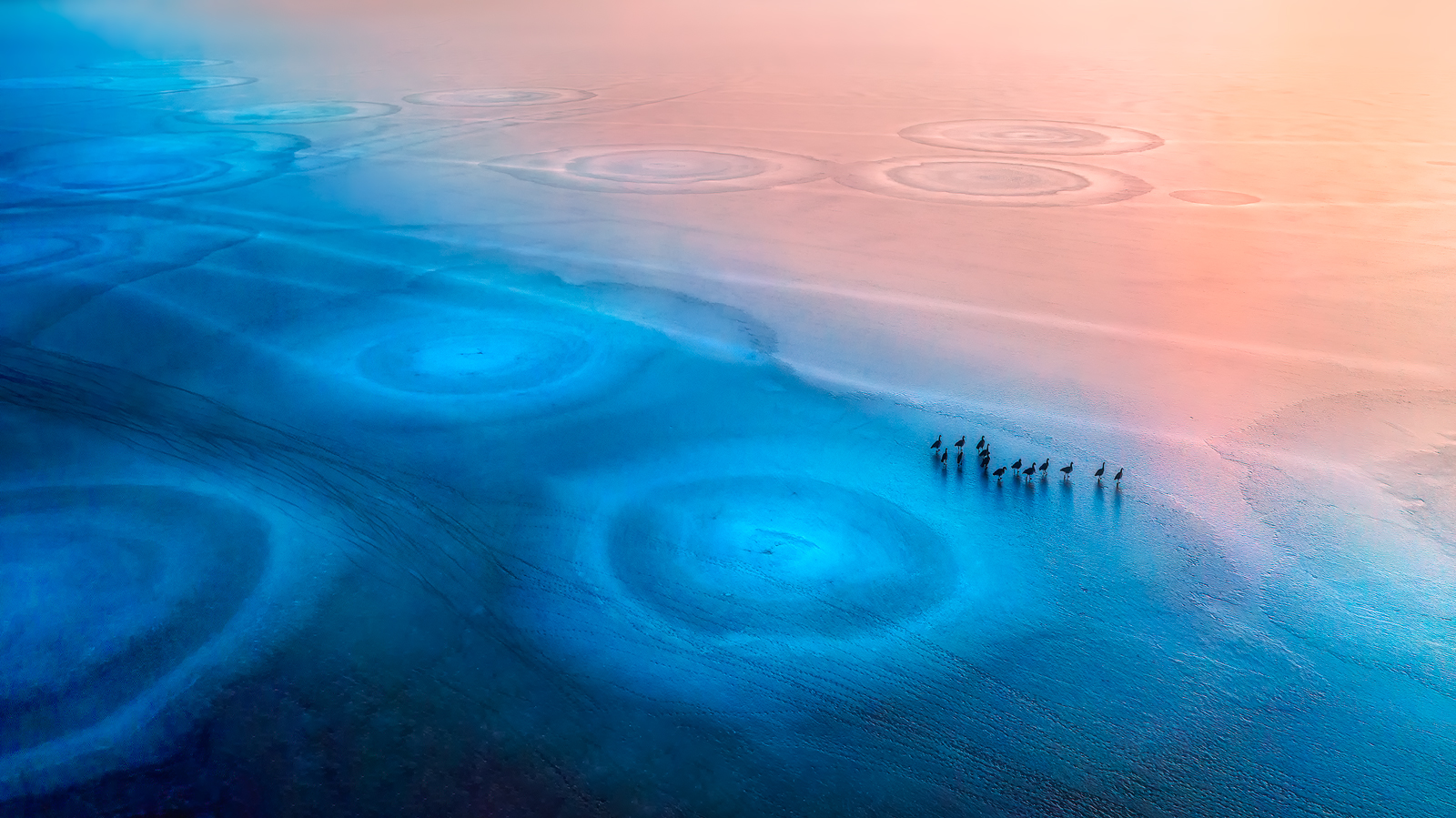
“Frozen World”
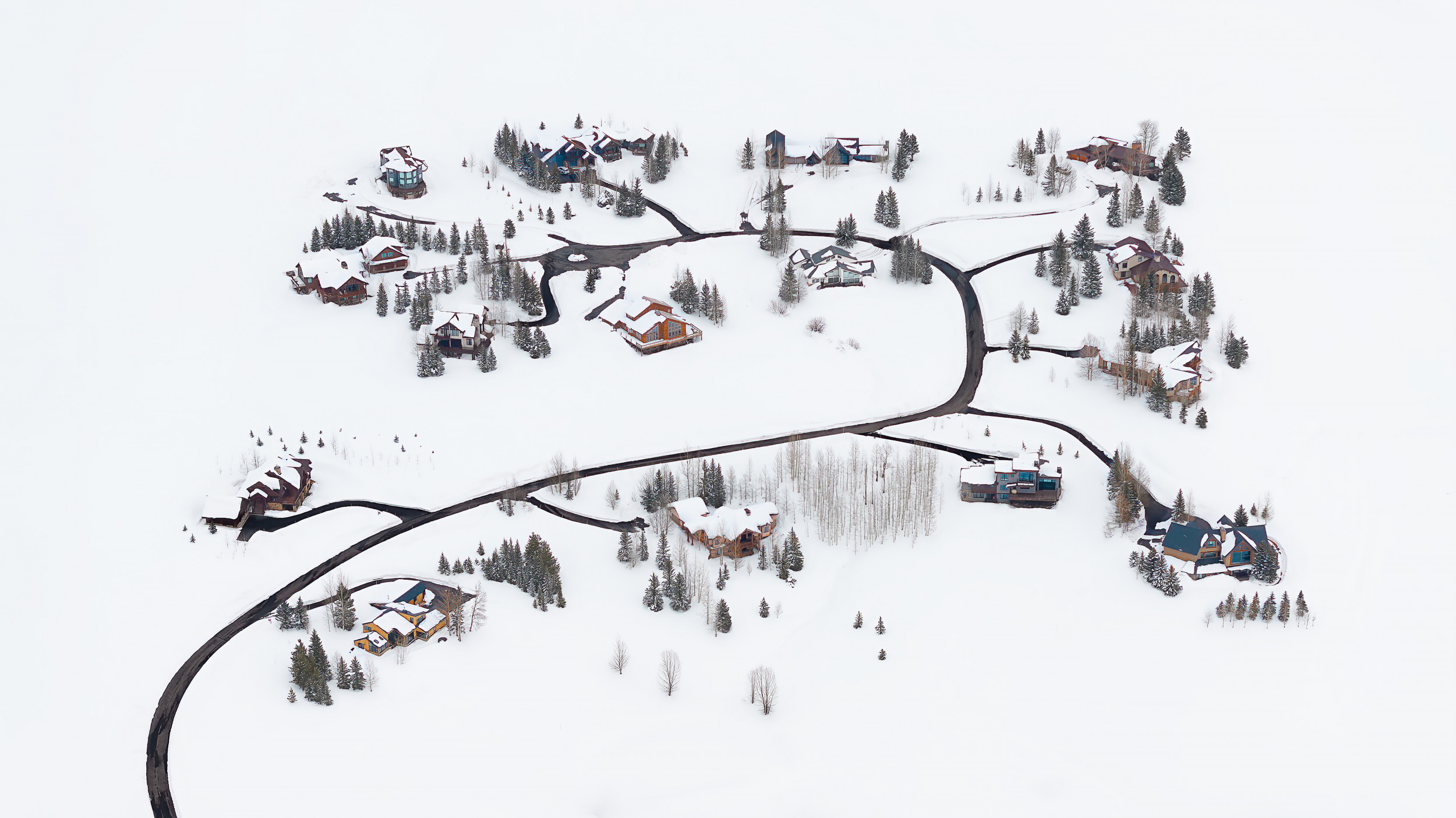
“Dragon in Hibernation”
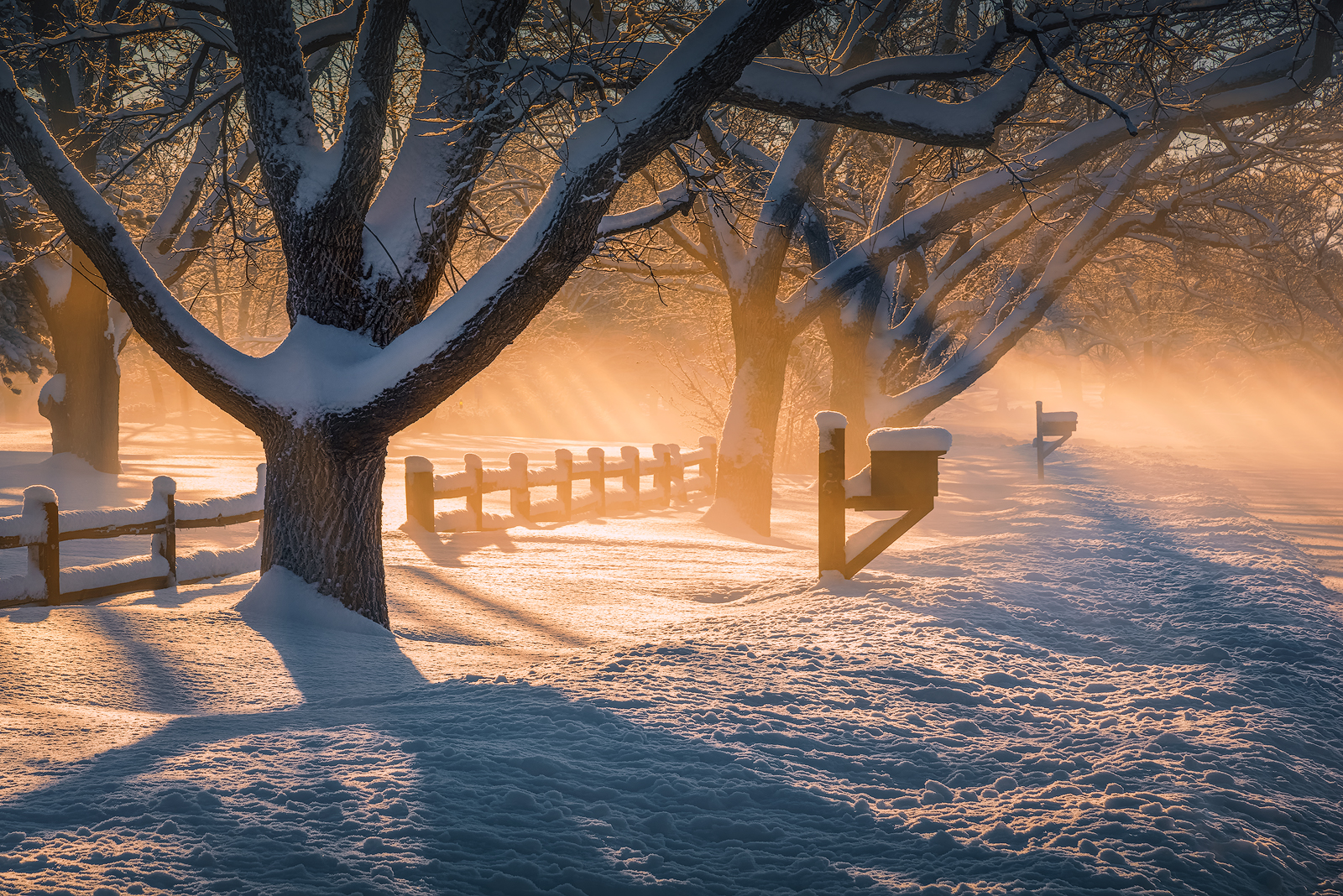
"After Snow Storm”
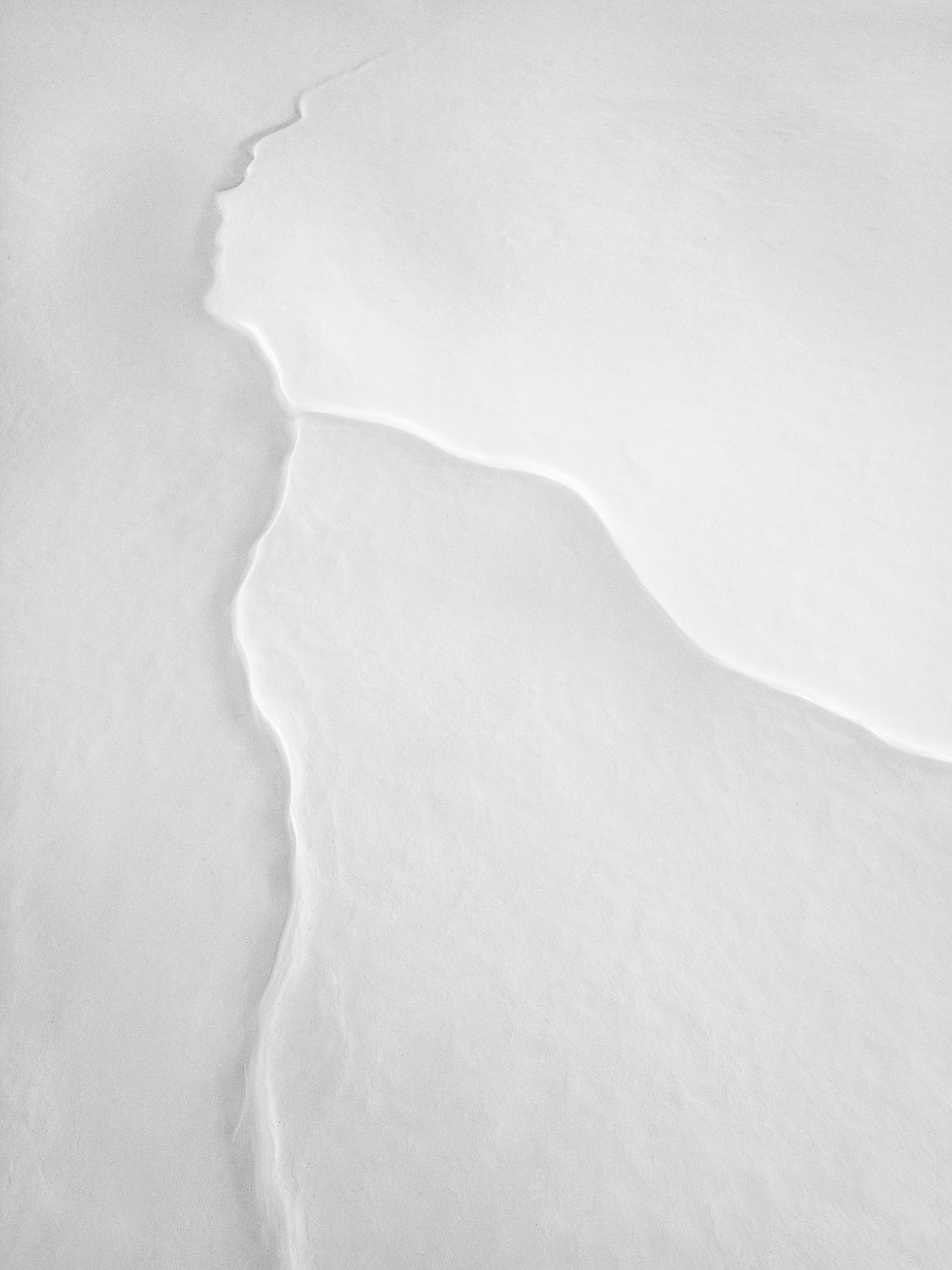
“Winterscape”
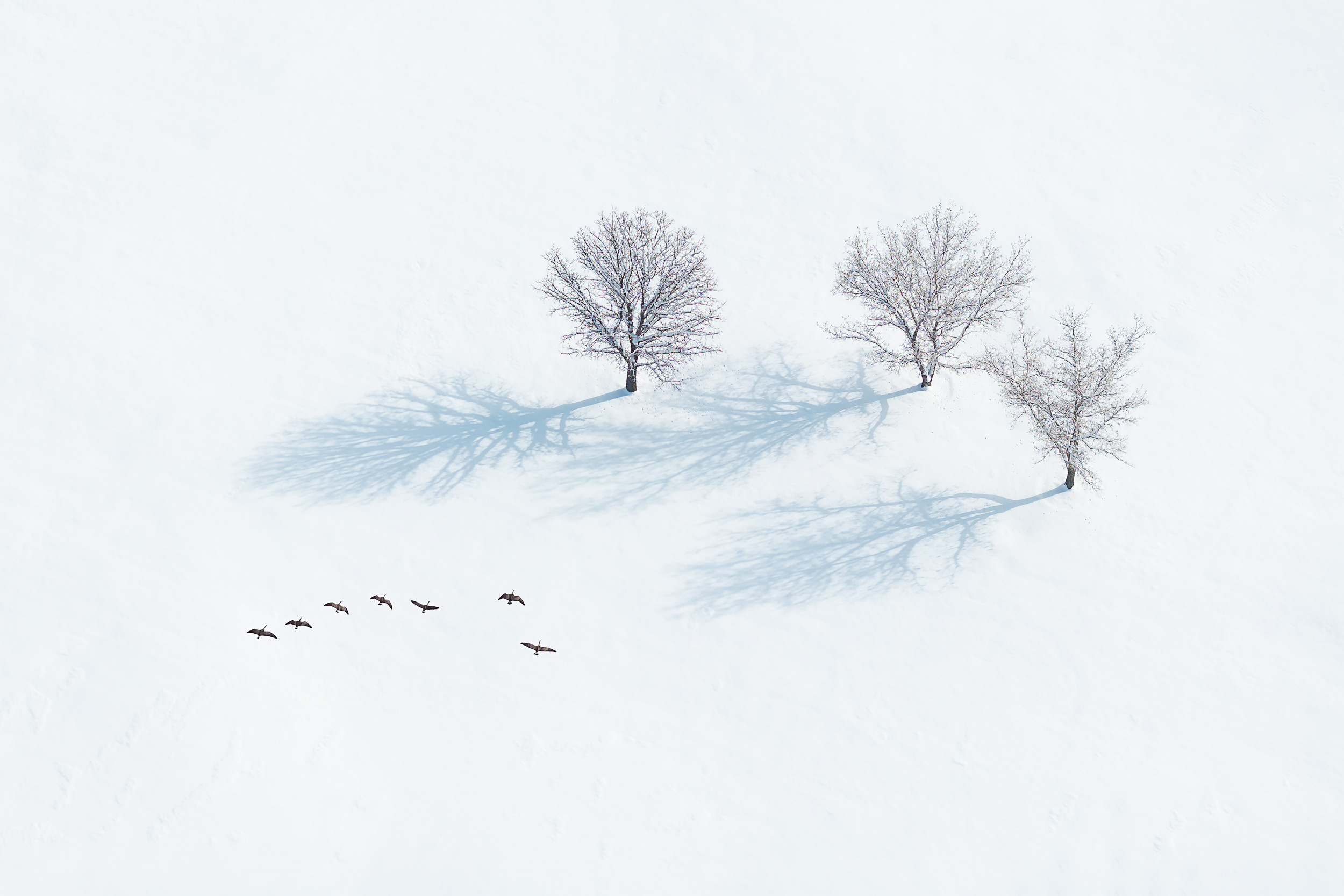
“Trees and Flying Geese in Winter”
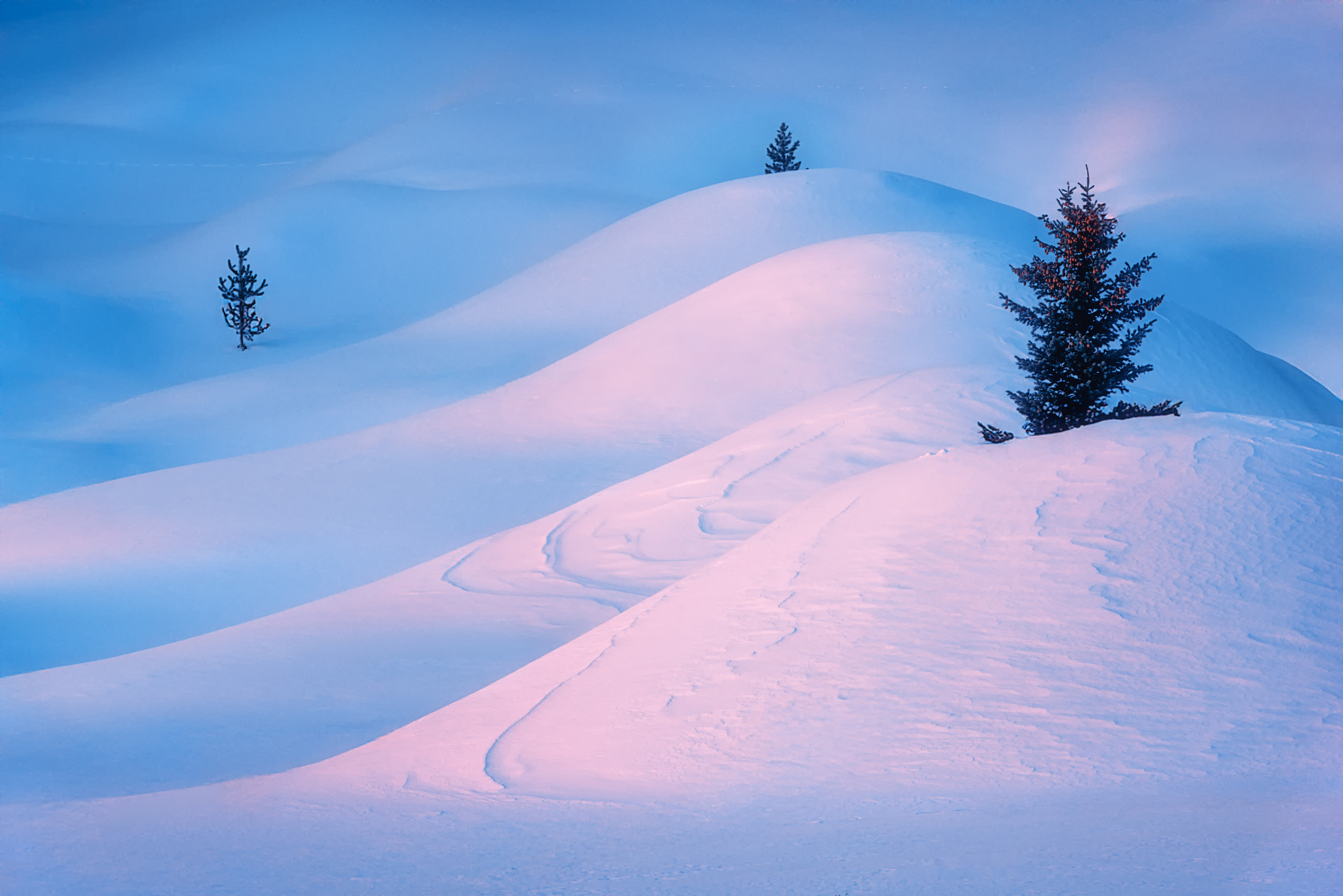
“Warm Lights on Snow Waves”
Is the mood/story behind your images or technical perfection more important to you?
They are both indispensable. Technique provides the foundation for emotional expression and storytelling. Without proper technique, it is impossible to fully realize your vision.
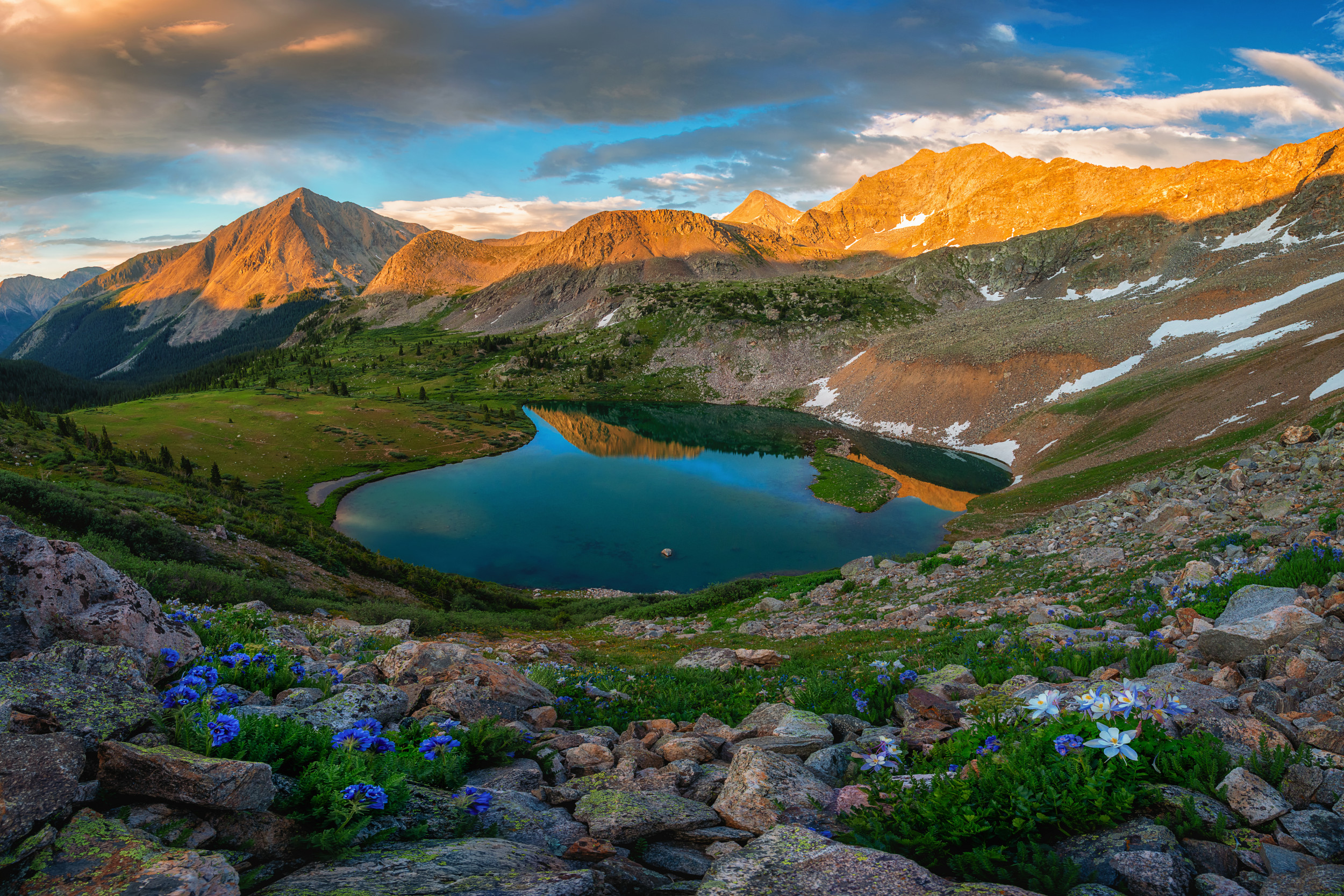
“Colorado Collegiate Peaks Wilderness at Dusk”
Beyond being an observer, what is your relationship to your subject matter?
As a former scientist, I have always been driven by curiosity and a desire to understand how things work beneath the surface. When I photograph landscapes, I don’t just stand back and take a picture; I immerse myself in the environment. Chasing dramatic weather, sunrises and sunsets requires patience and research, as well as the ability to endure the elements. This means that my relationship with nature is one of active pursuit and deep respect.
Having once become disorientated in a snowy mountain storm, I know from experience that nature isn't just a pretty backdrop; it is powerful and unpredictable. Rather than merely observing it through a lens, I try to approach my subject matter as a grateful guest. When Mother Nature bestows upon me extraordinary light, I have even been known to drop to my knees in sheer gratitude. My primary goal is to experience the raw power of the landscape, and the photograph is simply a souvenir of that connection. Ultimately, I hope my images convey the beauty and untamed power of the wilderness.
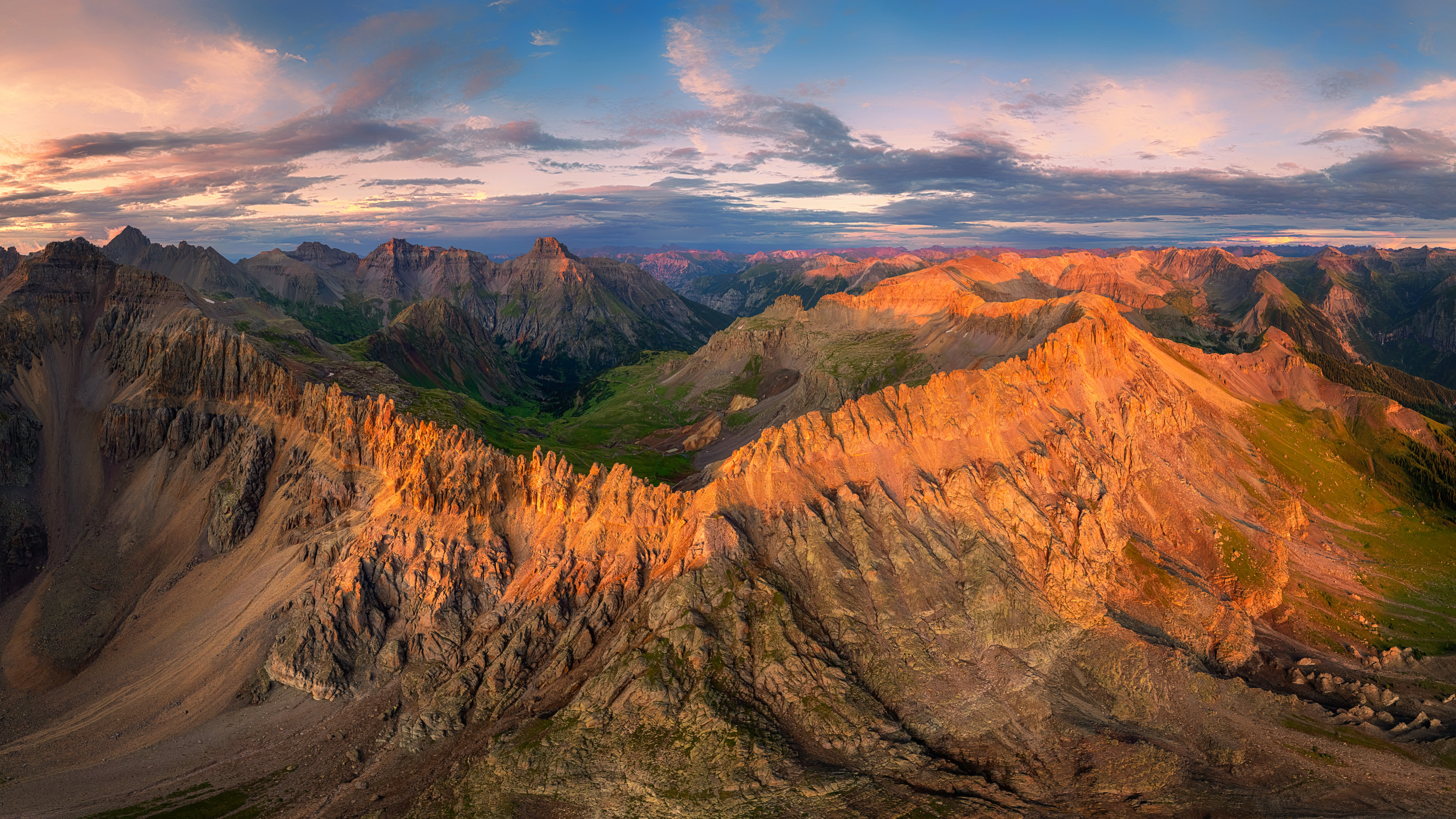
“Great Wall in Colorado”
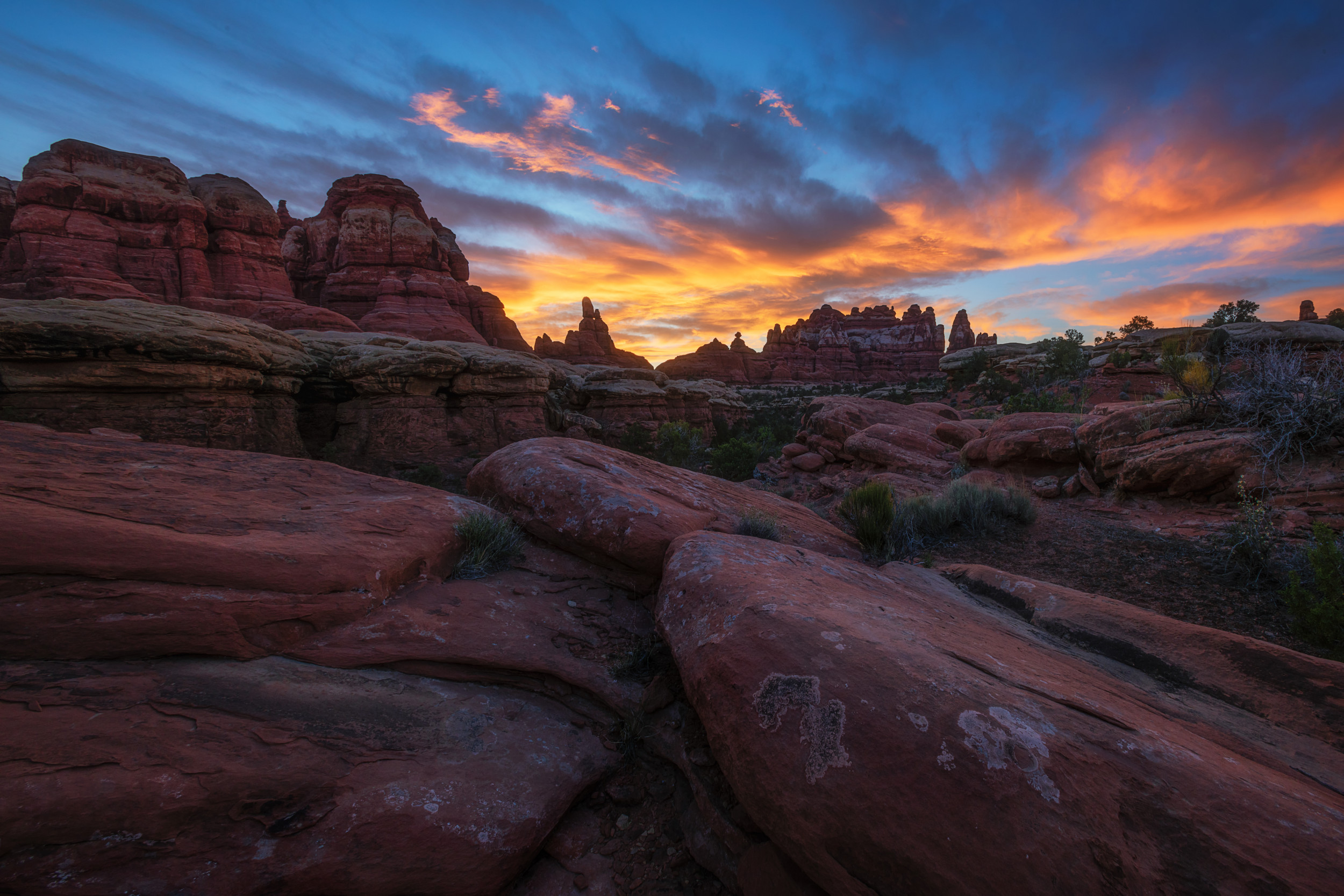
“Canyonlands at Dawn”
Do you carefully prepare the locations where you intend to take photographs?
It’s really a mix of both. When it comes to logistics and safety, I always do careful preparation, such as checking the weather forecast, sunrise or sunset times, and the distance and terrain to the shooting spot. However, once I’m out in the field, I deliberately allow myself the freedom to explore rather than sticking rigidly to a plan. Nature is unpredictable, and some of my favourite shots are taken when I wander off to find a fresh perspective or discover something unexpected.
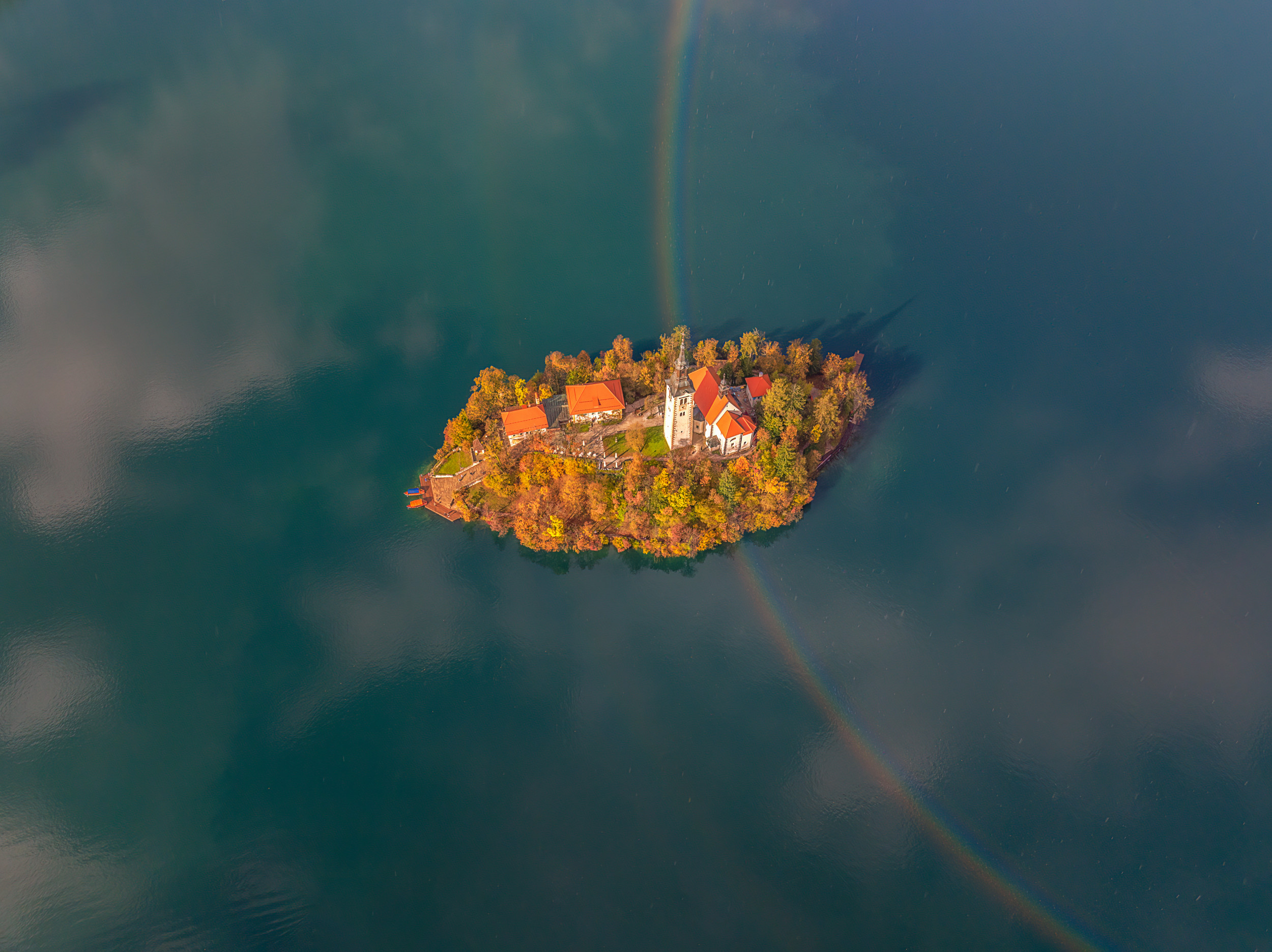
“Necklace of Autumn Leaf”
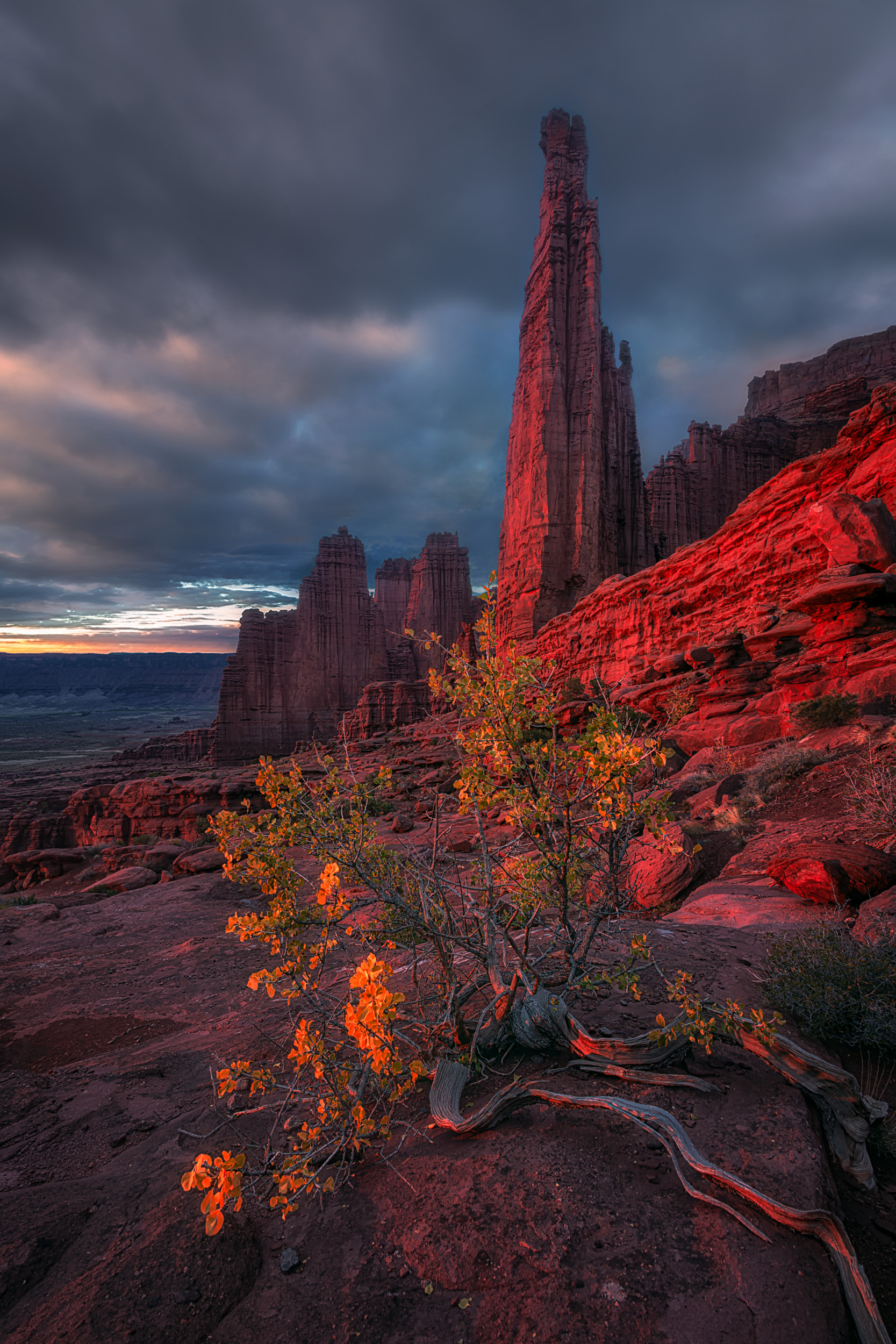
“Titan at Stunning Moment”
Describe your overall photographic vision.
My photographic vision centres on capturing the dual personality of nature, embracing both its raw, dramatic power and its quiet, minimalist beauty. Whether I’m chasing a storm as it breaks at sunset or framing the simple, sculptural lines of winter snow and ice, I want my images to feel authentic and emotionally resonant. I am constantly humbled by the sheer scale of grand landscapes, and a single standard frame often feels too limiting to capture everything I am experiencing. So, whenever possible, I love shooting panoramas to capture that wide, immersive sense of awe, translating the stillness and wonder I feel in nature so that viewers can experience a piece of that majesty in their own homes.
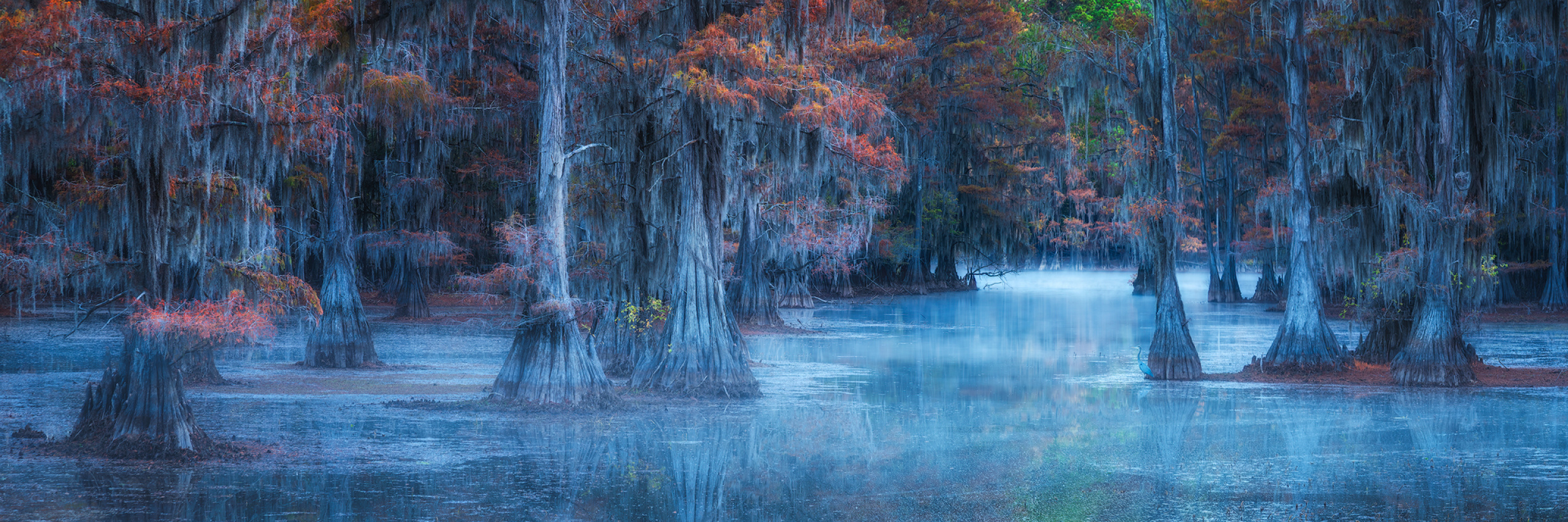
“Tranquility in Autumn”
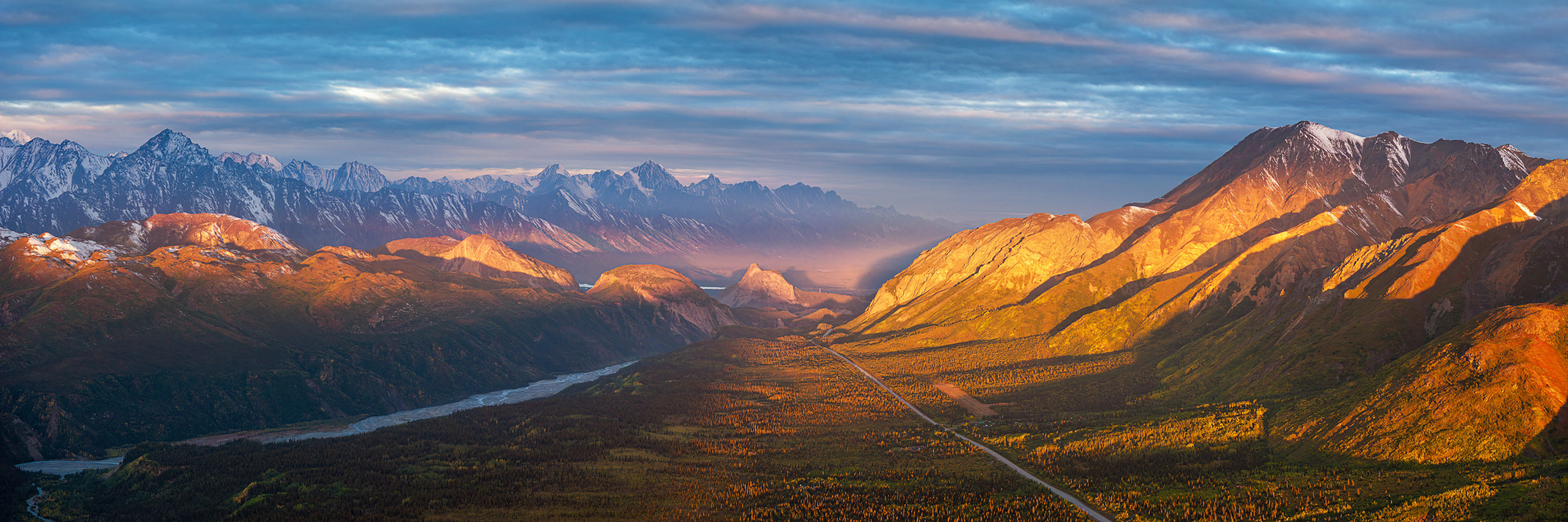
"Silver and Golden Mountains in Alaska (Panorama)”
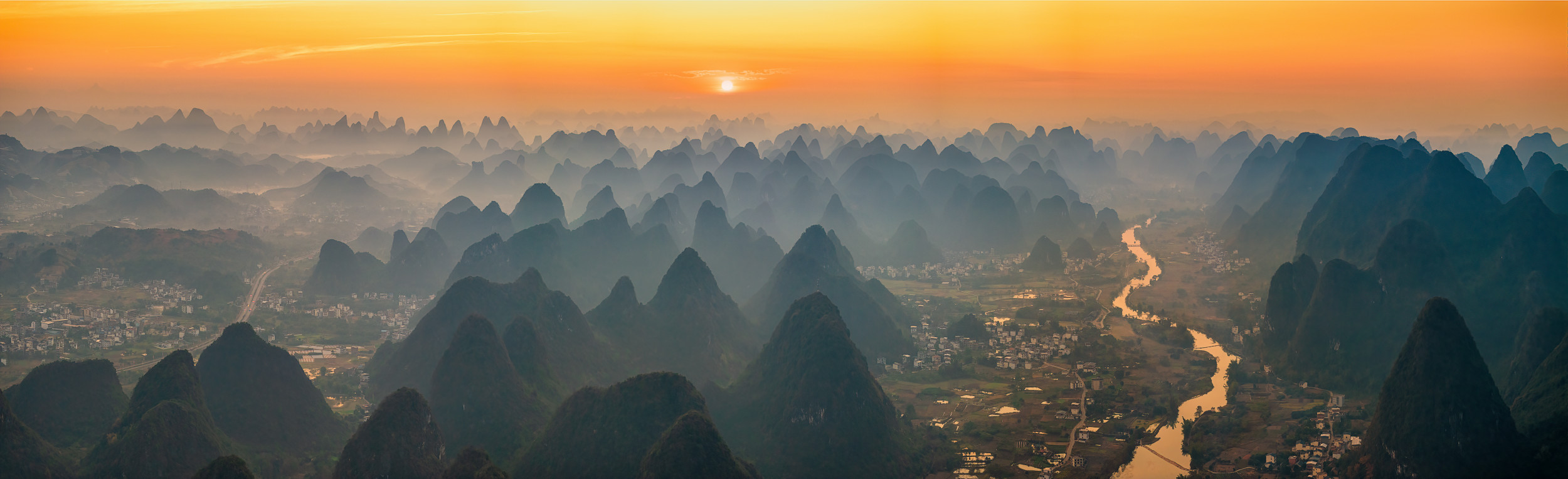
“Yangshuo Panorama at Sunrise”
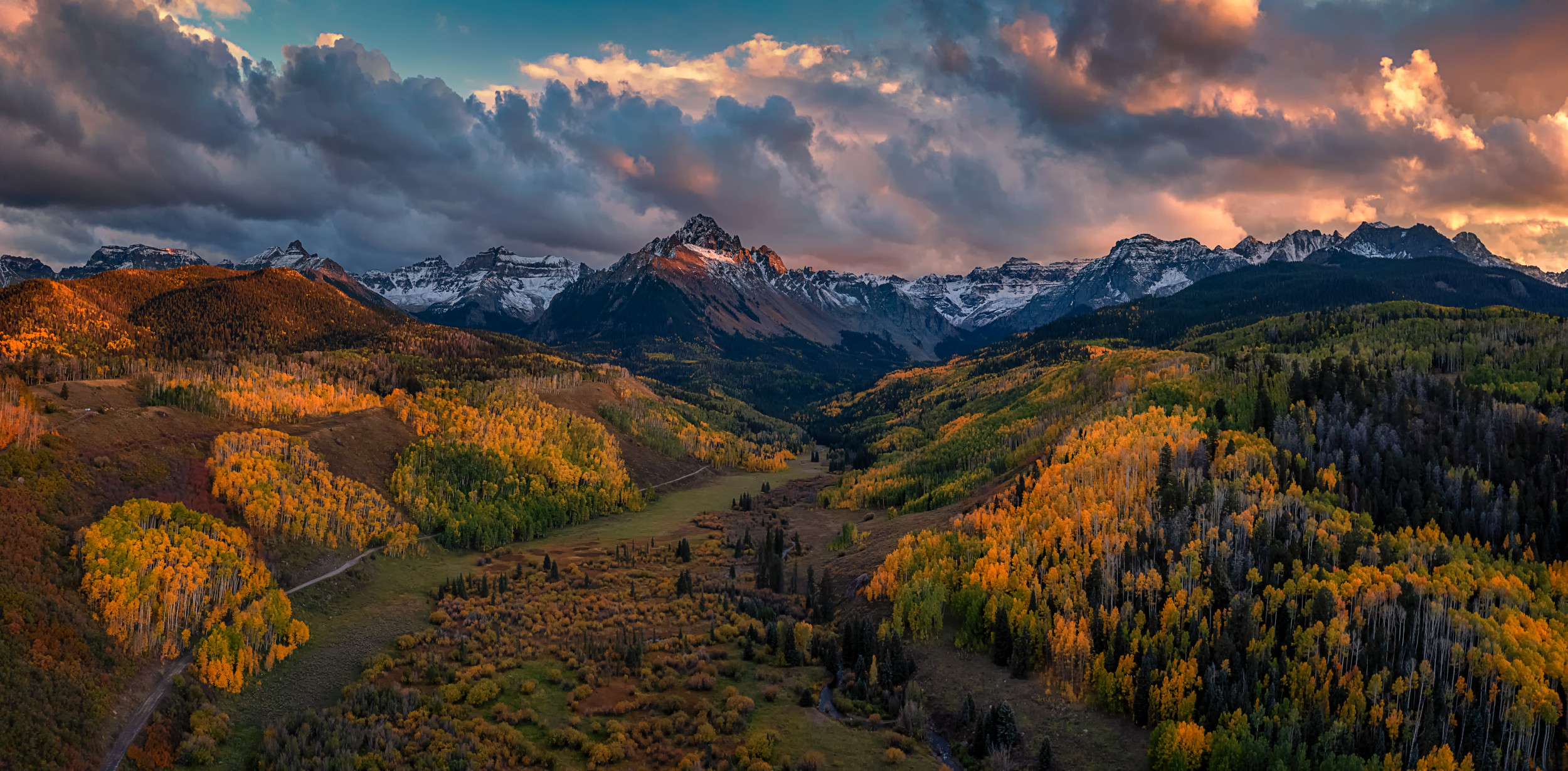
“Epic Scenery in Colorado”
What are the main features of a successful landscape photographer, in your opinion?
In my opinion, the most important quality for a successful landscape photographer is having a unique vision. Alongside this, physical endurance and fitness are also critical because capturing extraordinary images often requires hiking to remote and challenging locations that most people cannot access.
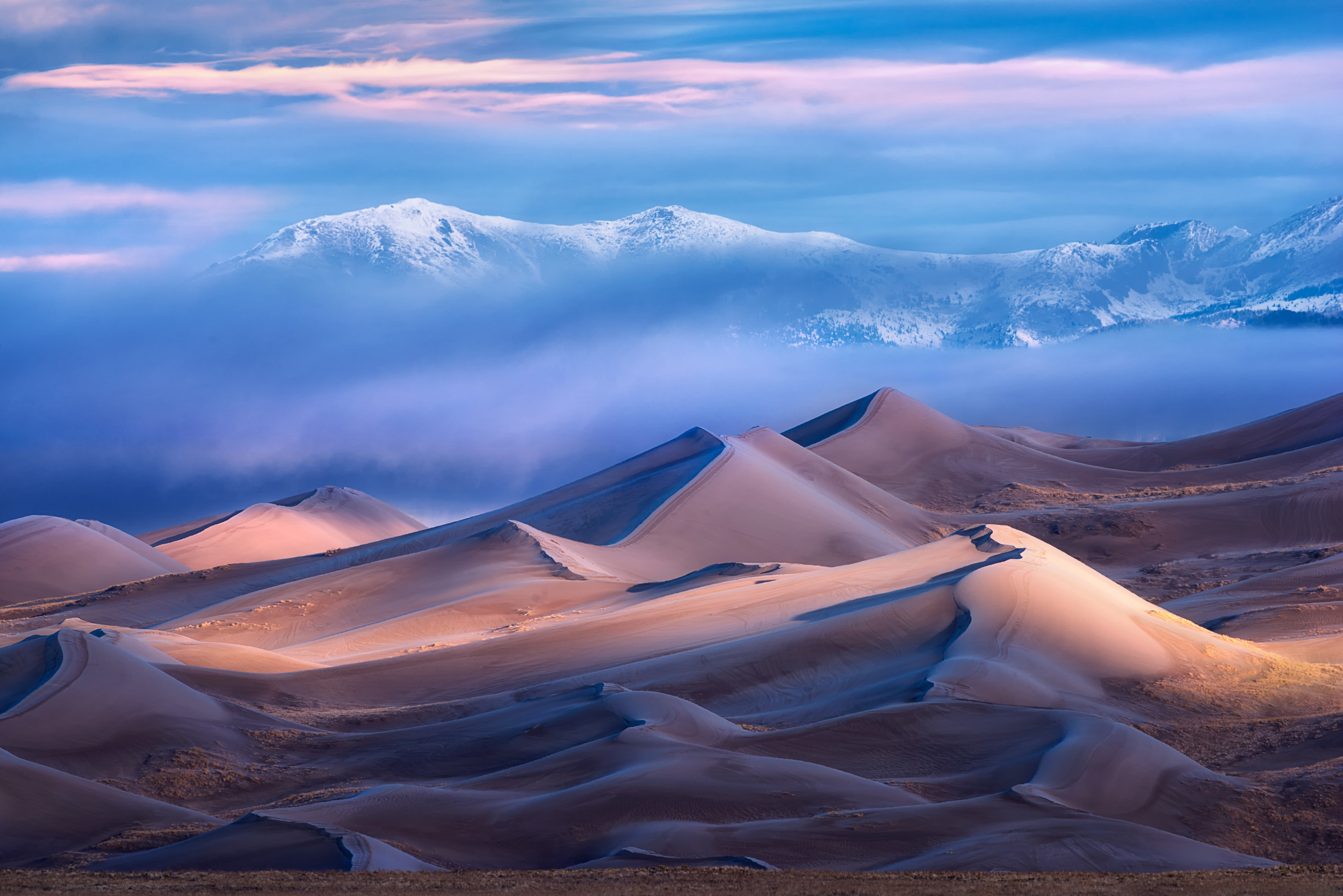
“Mirages”
What is your favourite photo and what is the story behind it? Please tell us the story behind it.
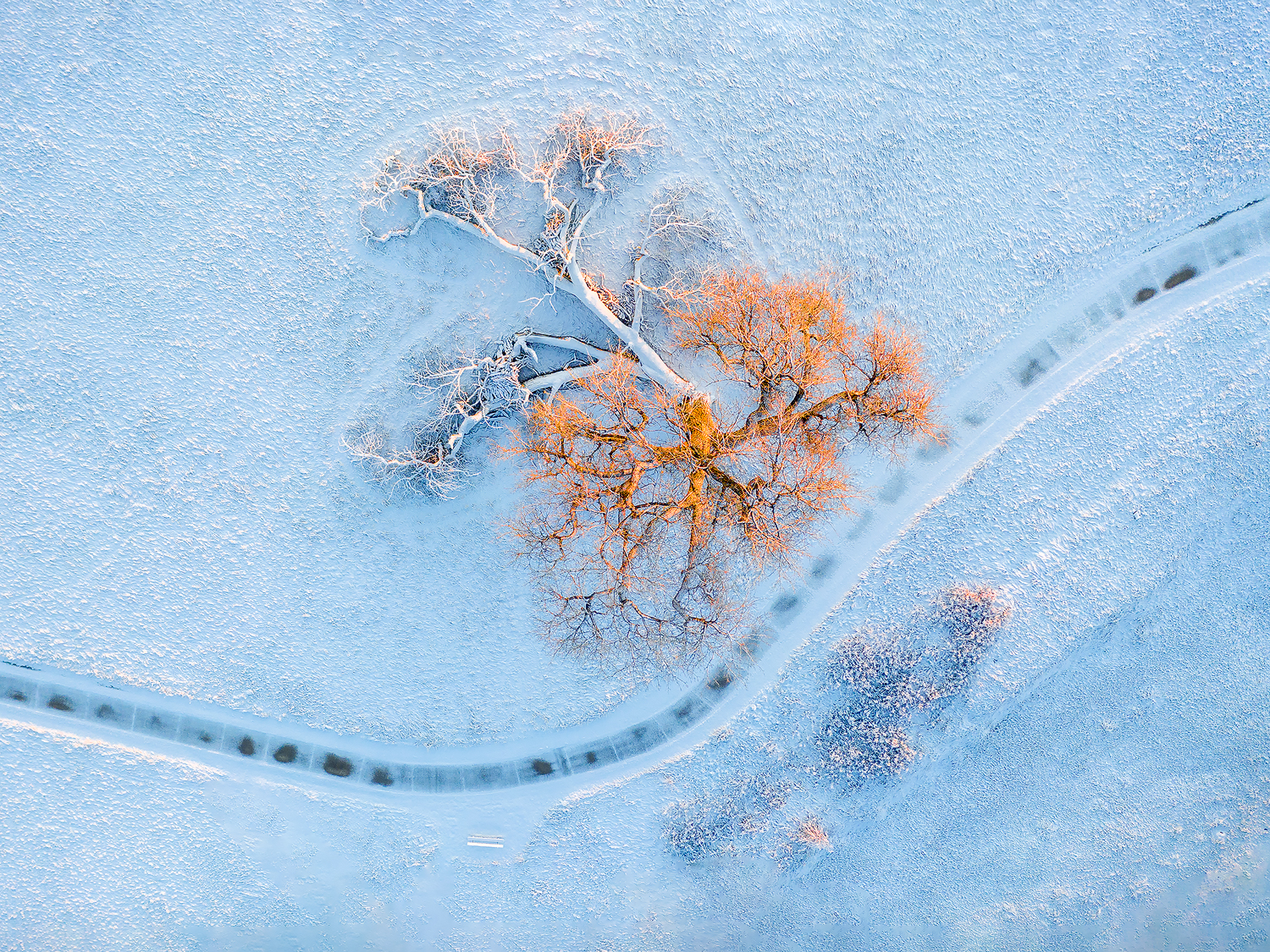
"Two Trees”
I almost missed the best light for this shot. One morning after a snowstorm, I went to a park near my home to set up a time-lapse video. I hadn’t planned on flying my drone that day, but while I was waiting for the time-lapse to finish, I noticed the beautiful light and thought, 'Why not?' Once in the air, I spotted two trees that I hadn't noticed from the ground. One was fallen and withered, blanketed in white snow, while the other stood thriving in the early morning sunlight. With their roots intertwined, the trees seemed to tell a story spanning past and present. I immediately adjusted my angle and clicked the shutter. By the time I tried to take more pictures from different angles, the warm light had been swallowed by the clouds.
A friend said that the original title I had chosen for this image, 'Bound Together in Life and Death', sounded too sad, so I chose a new one: 'Firey Tree and Silver Blossom'. Now, I see one tree reaching out to catch the light while the other rests on the ground, blooming in its own way — their roots are forever linked and will never be parted.
Besides landscape photography, what other subjects are you interested in?
Landscape photography requires a great deal of time and physical effort. When I'm relaxing in town, I enjoy taking photos of cityscapes, architecture, flowers and abstract subjects.
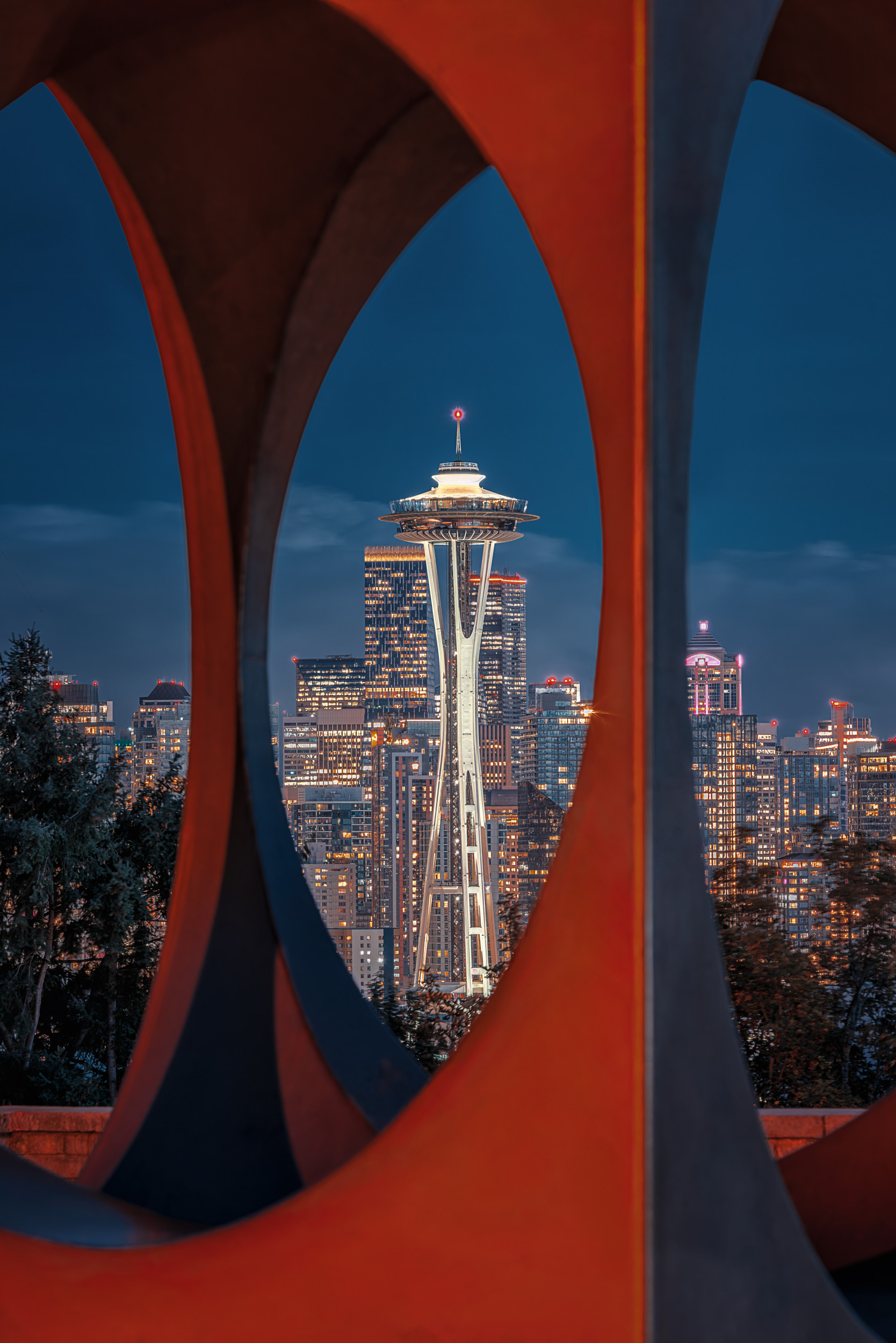
“Space Needle in the Red Frame (vertical)”
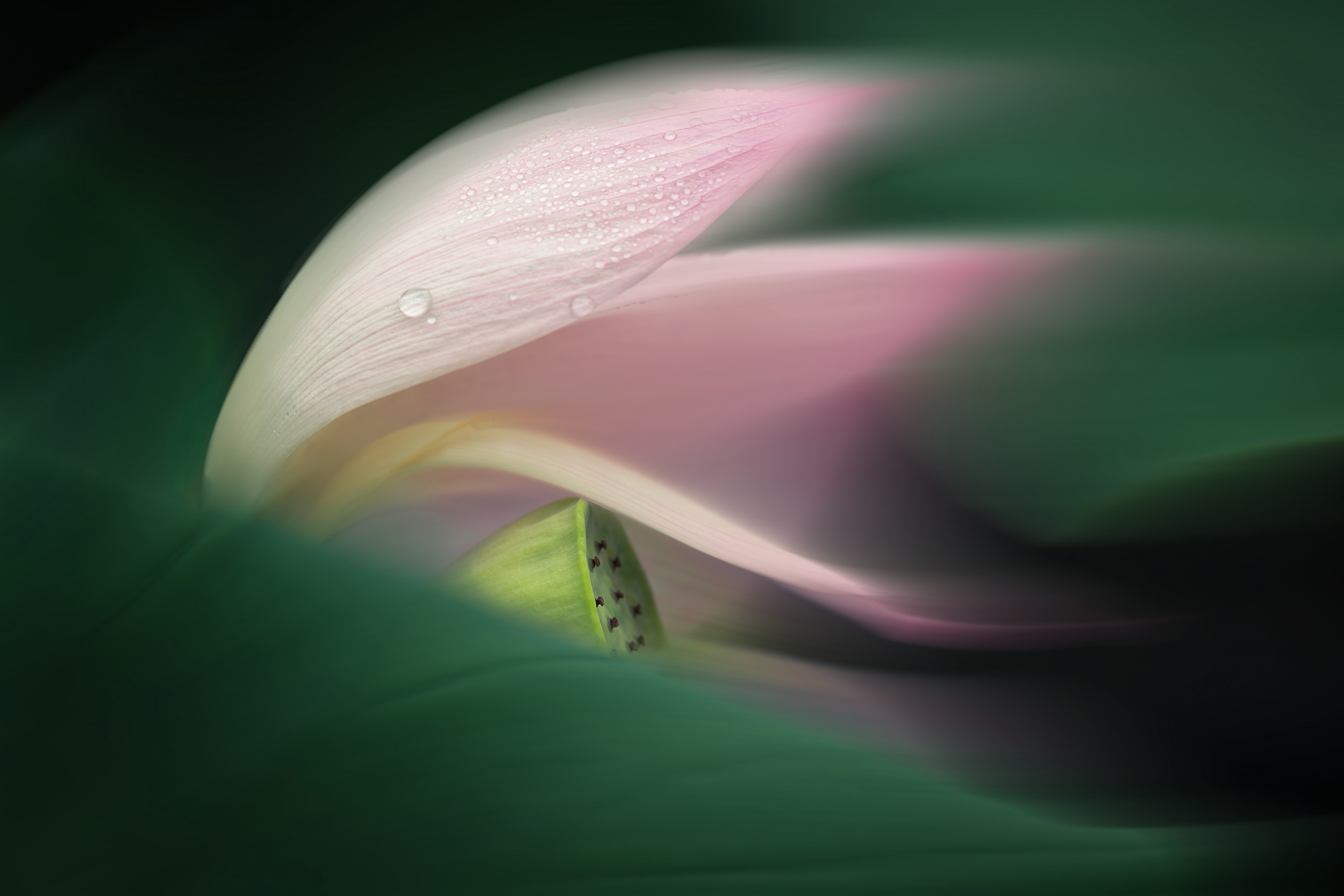
“Melancholy Blossom in the Rain”
Where do you look for inspiration, and what inspires you the most?
Social media, 1x and the natural world all offer me inspiration, but it is the unrepeatable moments in the wild that inspire me the most. Being out in the open, witnessing fleeting light and untouched landscapes, is what truly enables me to be my most authentic self.
For many of us, photography is either a hobby or a way of life. How would you define your relationship with photography?
My relationship with photography has evolved over the years. At first, it was just a hobby. As I became more deeply involved, it became a way of life. Now, however, it has shifted back to being a hobby again, perhaps due to AI or simply from seeing too many similar images on social media. I feel like my enthusiasm is fading.
Could you tell us more about your workflow, from initial idea to final product?
My workflow begins long before I take the shot. First, I check Google Maps, the PlanIt app and the weather forecast, so that I can position myself in the right place at the right time. Once I return from the field, I follow a focused, step-by-step post-processing routine:
1. Culling in Lightroom: I import all my RAW files into Lightroom and carefully review the entire set to select the strongest shots.
2. Denoising and initial direction in Camera Raw: I open my top picks in Camera Raw in Photoshop, apply noise reduction first and click 'Auto' to quickly establish a baseline and creative direction for the edit.
3. Manual Tone Refinement: After clicking 'Auto' again to refine the initial settings, I manually adjust the highlights, shadows, whites and blacks to capture the exact mood and dynamic range I observed in the field.
4. Final polish in Color Efex Pro 4: I then export the image from Camera Raw and use Nik Color Efex Pro 4 to add subtle finishing touches, enhancing the contrast, colour and atmosphere.
Many people believe that gear is not very important when you are passionate about photography.
Haha! I think it's actually the other way around. The more obsessed you become with photography, the more you feel the need to upgrade your equipment. In fact, I think gear is very important. While smartphones are convenient and many people use them to take pictures nowadays, the image quality still isn't comparable to that of a dedicated camera, especially for nightscape photography. High-quality gear makes all the difference when you’re shooting in challenging low-light conditions.
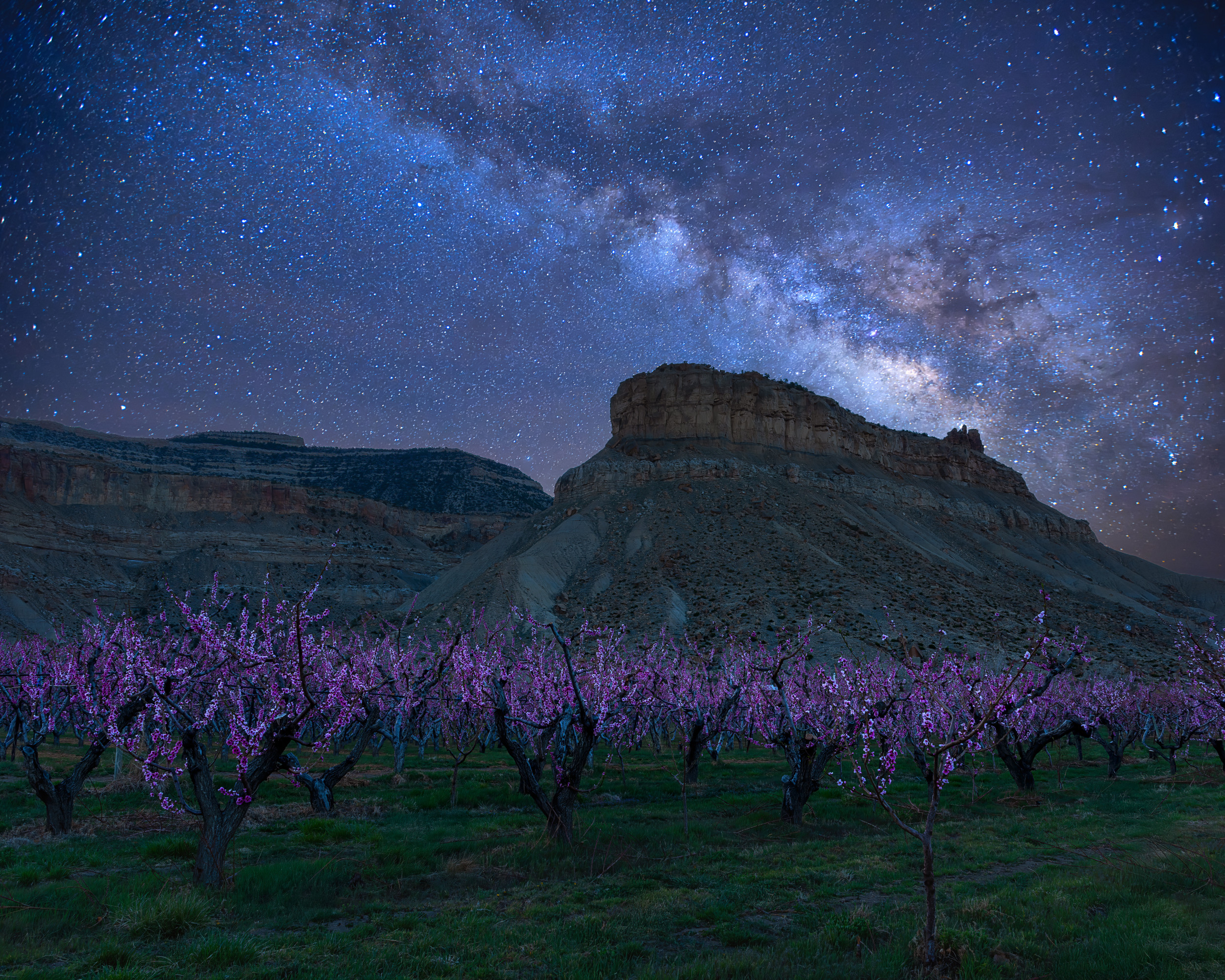
“Blossom under Milky Way”
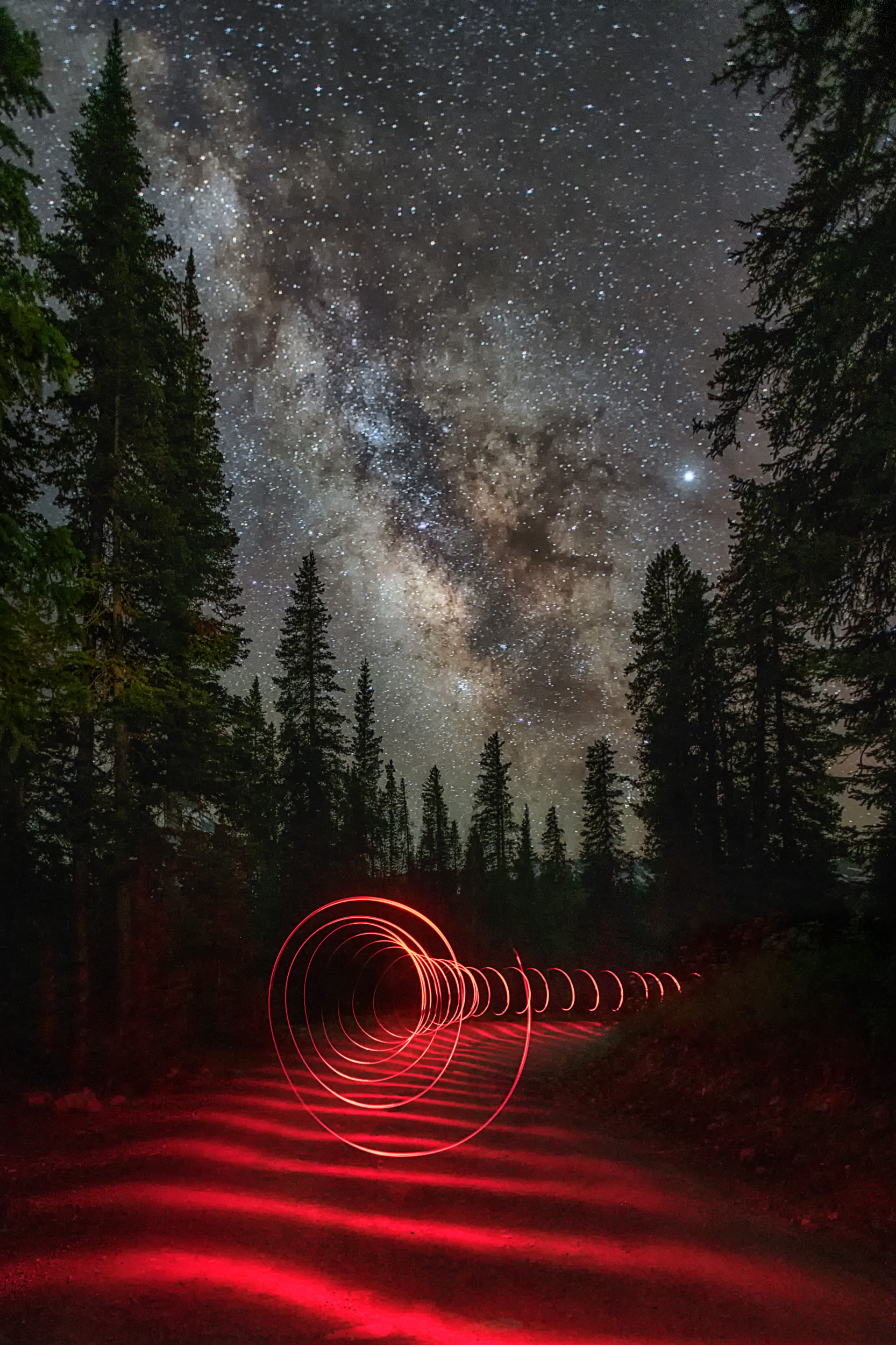
“Red Tunnel to the Milky Way”
However, could you please tell us what equipment you use (camera, lenses, lighting, tripod, etc.)?
NikonD850,D810,14-24mm, 17-35mm, 24-70mm, 24-120mm, 70-200mm, 200-50mm
DJI mini3 pro, mavic3 pro
Insta360
Tripod: RRS, Gitzo
Is there anything else you would like to add, and what do you think about 1X as a platform for showcasing your work?
1X is currently one of my favourite platforms for sharing photos. Its high curation standards are widely recognized. The community is filled with incredibly creative and imaginative photographers whose work never fails to amaze me. For me, it’s the perfect place to appreciate fine photography and find inspiration for my creative journey.
Dear Mei, thank you for this fascinating interview and for your fine collaboration!
 | Write |
 | kevinduffus ❤️❤️❤️❤️❤️ |
 | Hanping Xiao PRO Congratulations! |
 | Jane Lyons CREW Mei, your landscapes are magical. Thank you for sharing your story and especially your work! |
 | Mike He PRO A fabulous set of photos. Congratulations! |
 | Ralph Scylla CREW |
| | Ralph Scylla CREW Dear Mei, I loved the story about seeing your friend’s slides on a lightbox and knowing you had to see those places for yourself. Looking at your photographs, I can imagine someone having that very same feeling.
The frozen lake is the image I kept coming back to. The circles in the ice and the soft shift from blue to pink had me looking for a while before I noticed the little row of birds. That discovery made the whole photograph feel bigger and quieter at the same time.
Thank you, Mei, for sharing the stories behind your work, and thank you, Yvette, for an interview that made me go back and look at the photographs again. |
 | Yvette Depaepe CREW Thanks for your appreciation, Ralph ... and yes, bravo for Mei!!! |
 | Mei Xu PRO Ralph, Thank you very much for your comments and pay attention to that image which is one of my most favorite images too. The conditions required for this phenomenon to occur are extremely demanding: the temperature must drop to -20°C, and there must be no snow. I have only ever seen it happen once. |
 | John Fan CREW Congratulations! |
| Mei Xu PRO Thank you so much for your support and encouragement. |