


|
|
|
|
by Yvette Depaepe
Published the 25th of May 2026
John J. Chen’s work is not just about documenting what nature looks like; it's about expressing what it feels like to be immersed in it. He is deeply drawn to the atmosphere, movement, silence, transformation and emotional tension of the natural world. Whether he is photographing storms, deserts, birds, wildlife or abstract aerial landscapes, he is always searching for those brief moments when nature reveals something deeper, such as vulnerability, power, impermanence or a sense of transcendence.
Join me as I explore John's work and the artist behind it.
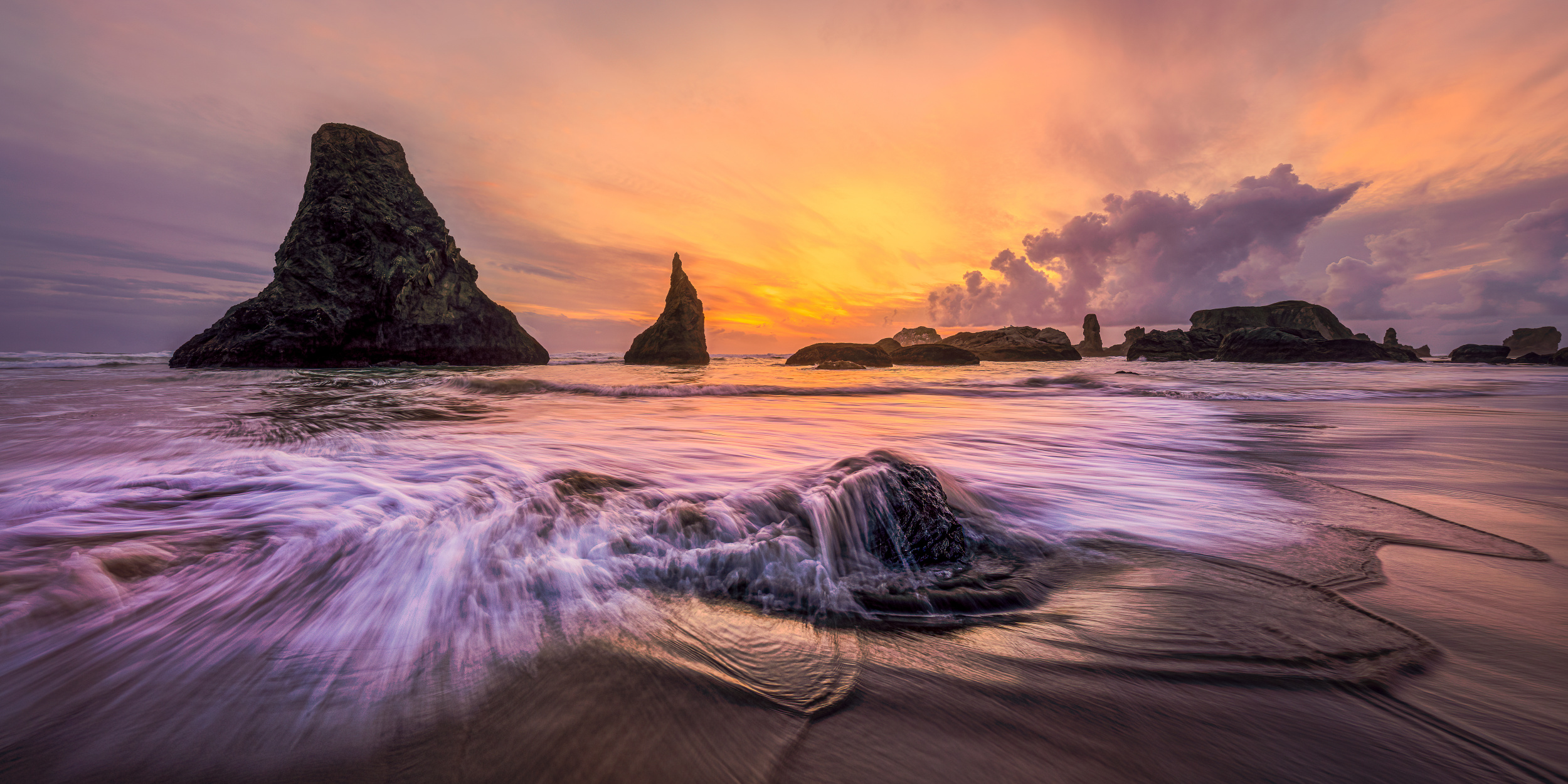
‘Sunset at Bandon Beach’
Dear John,first, I would like to thank you for taking the time to answer this questionnaire. To begin with, could you please introduce yourself briefly and tell us more about yourself, your hobbies and any other projects you are involved in?
I immigrated to the United States from China more than thirty years ago and now live in Chicago, where I run a small company. Outside of work, my wife and I have long shared a passion for exploration and travel.
Like many travel enthusiasts, I naturally used a camera to preserve those beautiful moments whenever we visited different corners of the world. Initially, photography was simply a form of documentation rather than an artistic pursuit.
Over time, however, it gradually became something much more personal. It has changed the way I observe nature, light, weather, silence and even time itself. Today, photography is a form of artistic expression and an emotional and spiritual outlet for feelings that are often overlooked in everyday life.
Recently, I have become especially interested in Impressionist painters and their work, hoping to find artistic inspiration in it. I am increasingly interested in moving beyond literal documentation to express atmosphere and emotion through imagery.
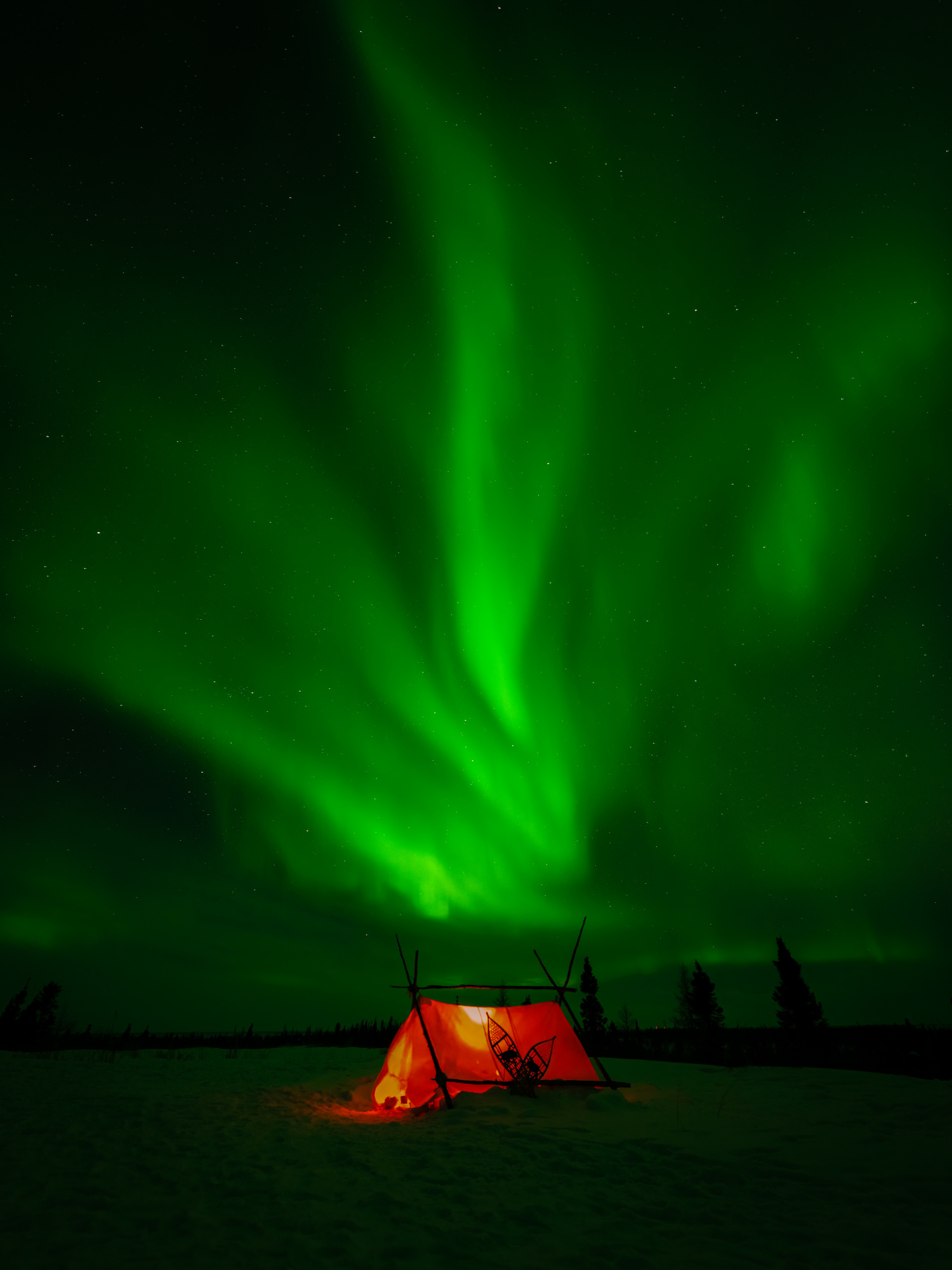
‘Aurora Borealis’
When and how did you start your photographic journey?
My journey in photography began when I started taking photos of my younger daughter’s stage performances. As she often performed solo dances, I started to pay close attention to stage lighting, composition and the visual harmony between solo performers and background dancers.
Later, after my daughter had gone to university, a famous Chinese photography group called the Four Aperture came to Chicago to give a lecture. Their presentation was truly eye-opening. I suddenly realised that landscape and wildlife photography could be approached in a completely different artistic way.
From that moment on, I became deeply immersed in photography, travelling to iconic landscapes and visiting Africa to take photographs of wildlife, while constantly exploring new possibilities.
Gradually, my focus shifted from simply recording beautiful places and animals, to truly seeing, observing and experiencing nature emotionally. I was most fascinated by the dramatic transformations that occur within minutes or even seconds: approaching storms, rapidly changing skies at sunrise and sunset, mist rising and disappearing over still lakes, and animals appearing only briefly before vanishing again.
These dynamic and fleeting moments captivated me far more than static scenery ever could. Little by little, photography stopped being just a way of documenting things for me. Instead, it became a way to experience the emotion, energy and atmosphere of nature itself.
For many of us, photography is either a hobby or a way of life. So, how would you describe your relationship with photography?
For me, photography has gradually evolved into an ongoing dialogue with nature.
It has taught me patience, humility and how to accept uncertainty. Nature does not perform for photographers. More often than not, things simply do not happen according to plan. Yet, after waiting for hours or even days, the world occasionally reveals a brief but incredibly powerful moment.
Photography has also changed my understanding of time. It has taught me to slow down, pay attention to subtle details and truly realise how fragile and fleeting every moment is.
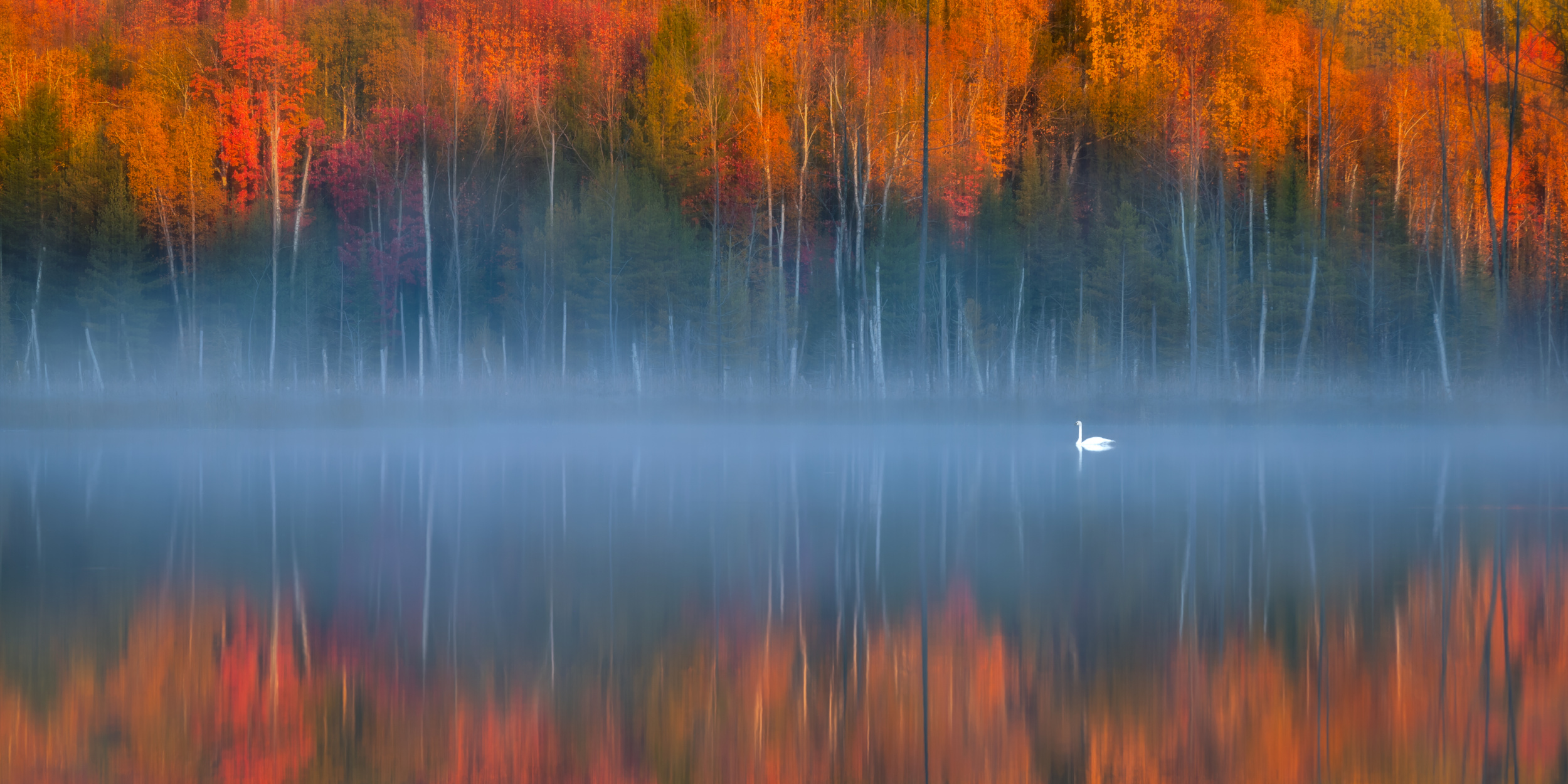
‘A Feather of Autumn Silence’
Which experience has had the greatest influence on your journey in photography so far?
Chasing lightning storms over the Grand Canyon was one of the most influential experiences in my photography.
Lightning is unpredictable and constantly changes in both shape and location. To capture a dramatic lightning strike alongside a strong foreground, balanced composition and harmonious lighting requires technical preparation as well as an understanding of geography, weather forecasts, risk assessment and years of landscape photography experience.
Ultimately, what we capture is often a certainty born out of countless uncertainties.
This experience completely changed the way I approach photography. I became less interested in 'perfect weather' and far more drawn to emotion, atmosphere, tension and transformation itself.
While calm weather may appear visually beautiful, emotionally it often feels incomplete to me. The moments that truly move me are usually those on the cusp of change.
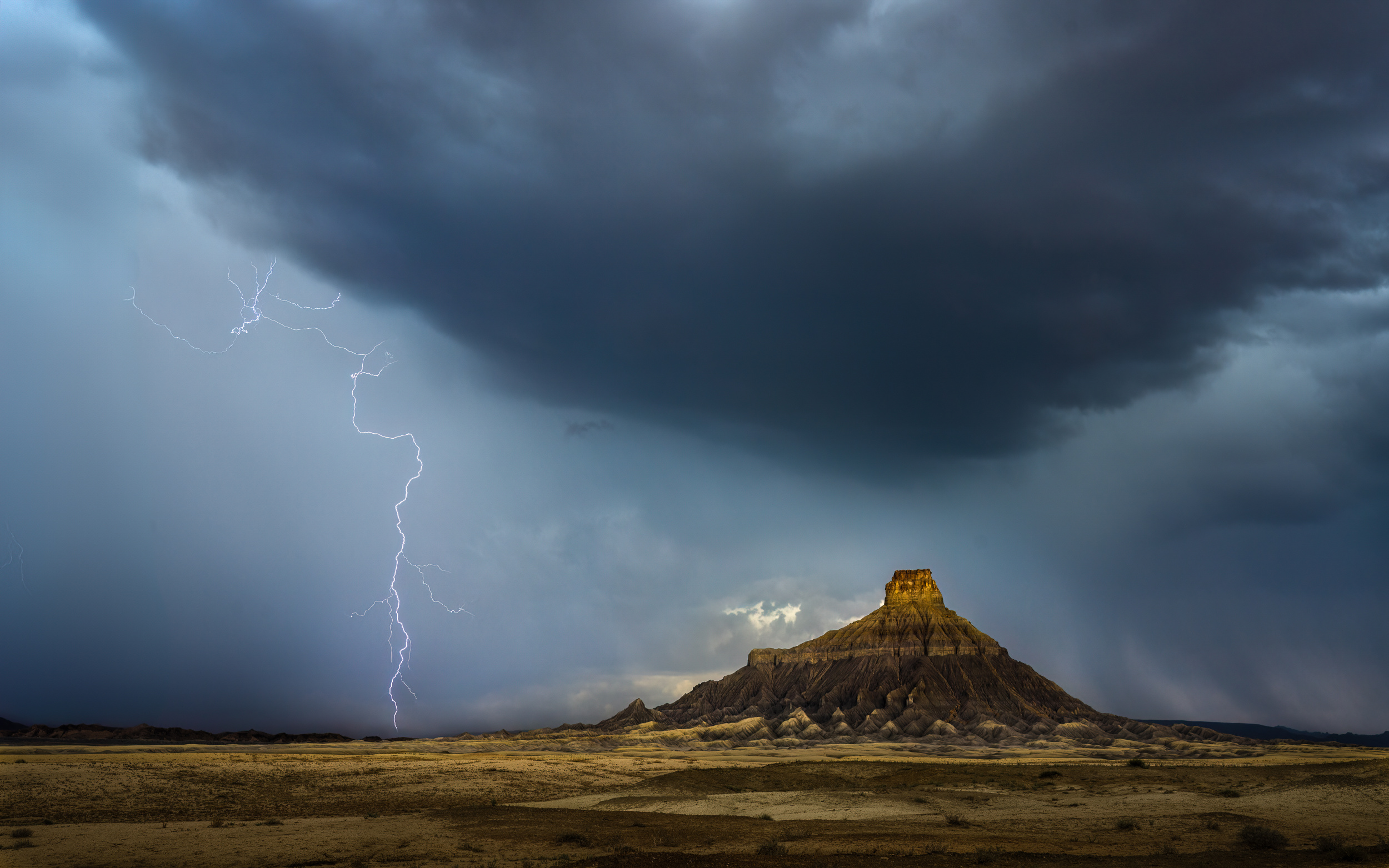
‘Storm Coming’
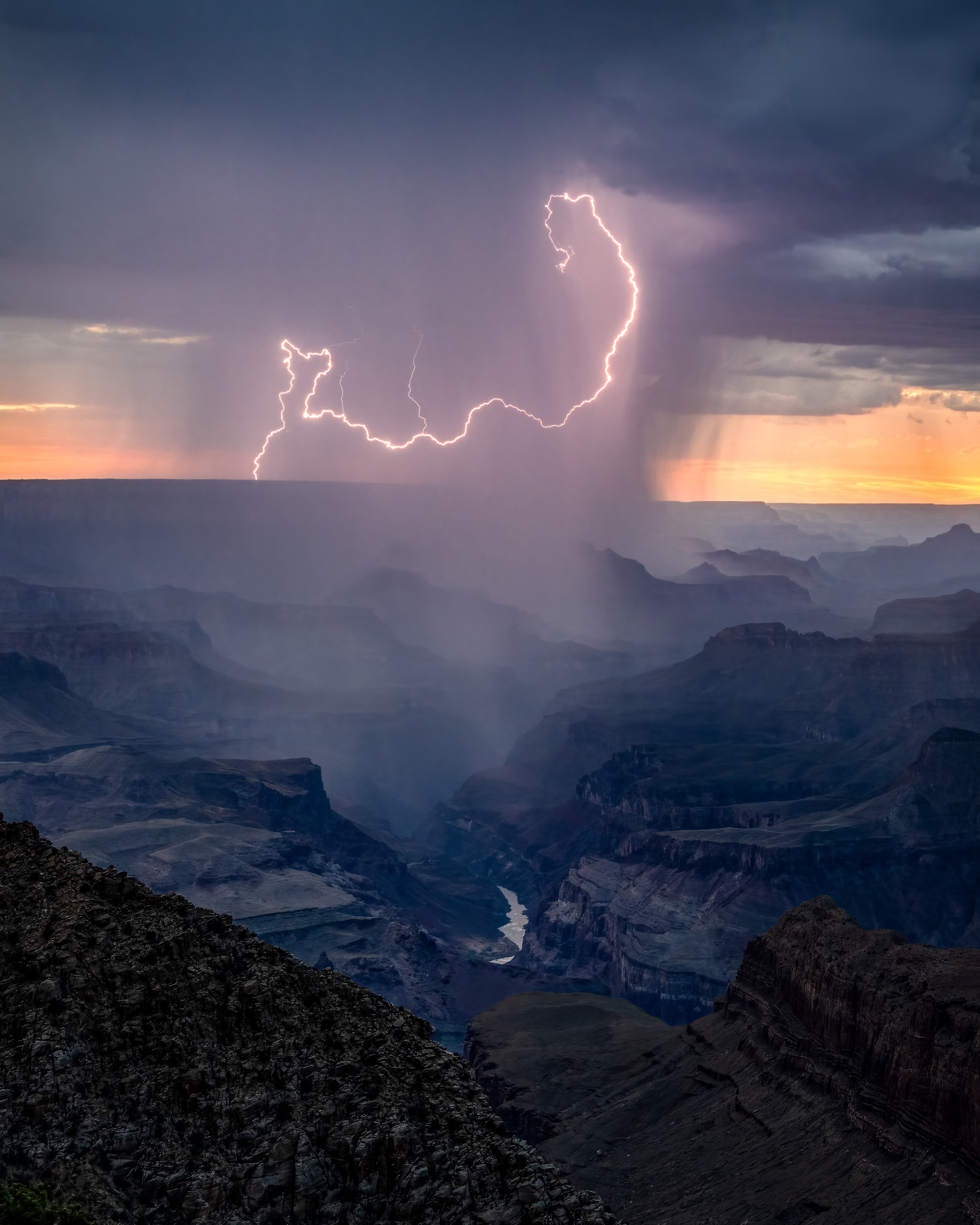
‘Lightning over Grand Canyon’
What draws you to landscape and wildlife photography?
This is because both landscape and wildlife photography are deeply connected to the rhythm of life itself.
Landscape photography captures the emotional essence of a place, while wildlife photography captures the emotional presence of living beings. I am fascinated by the unique nature of both subjects.
Although landscapes and animals appear to be very different subjects, they both tell the same story to me: the relationship between life and the forces of nature.
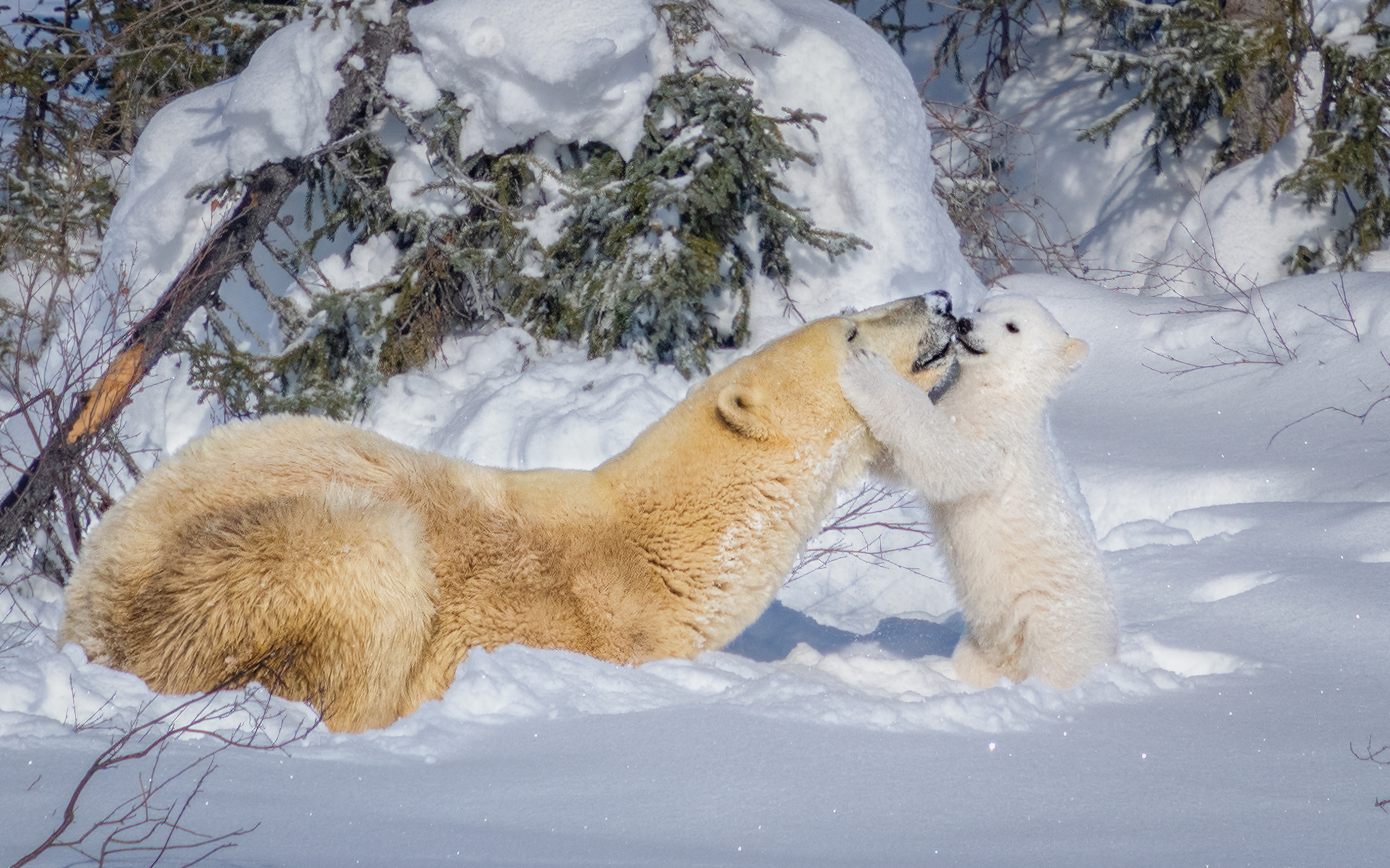
‘Mommy, I Love You’
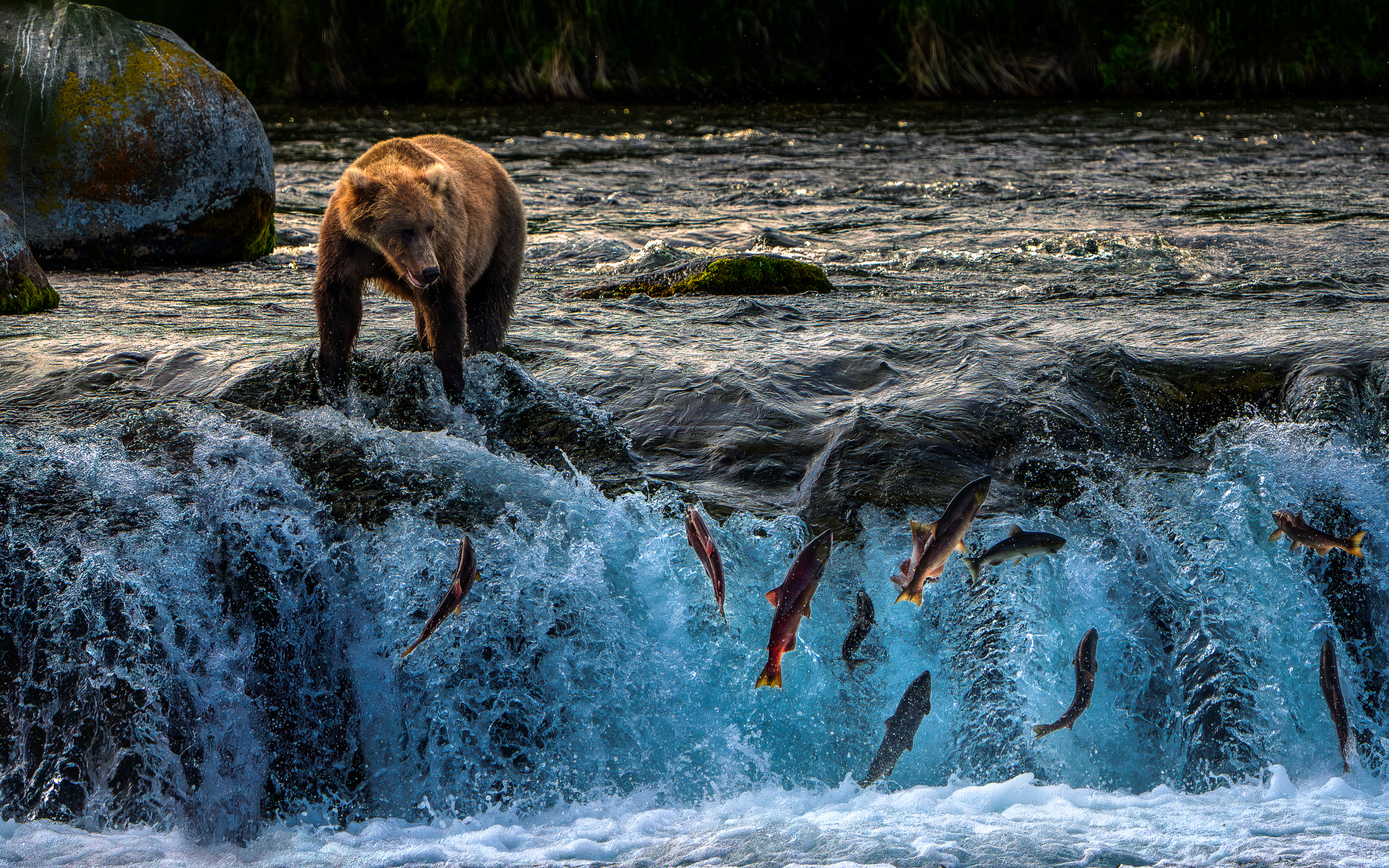
‘Feast in Waiting’
Which is more important to you: the mood and story behind your images, or technical perfection?
For me, emotion and atmosphere will always take precedence over technical perfection.
Of course, technique is essential. It enables photographers to express their vision through images. However, technical perfection alone rarely has a genuine emotional impact.
Slight blur, movement, mist, darkness or a sense of uncertainty can sometimes make an image feel more authentic and alive.
I have always believed that technique should serve emotion and personal expression rather than replace them.
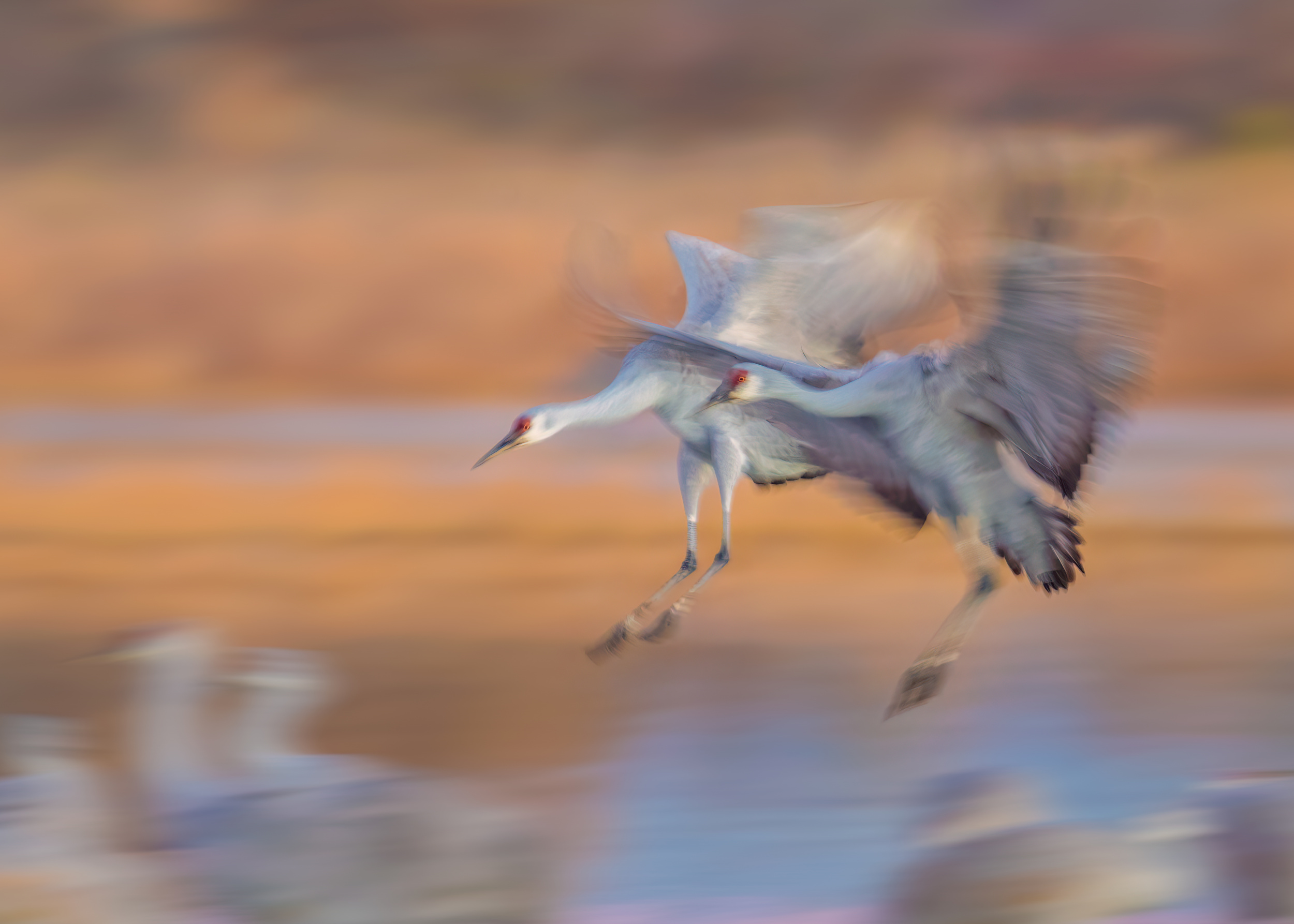
'Back Home’
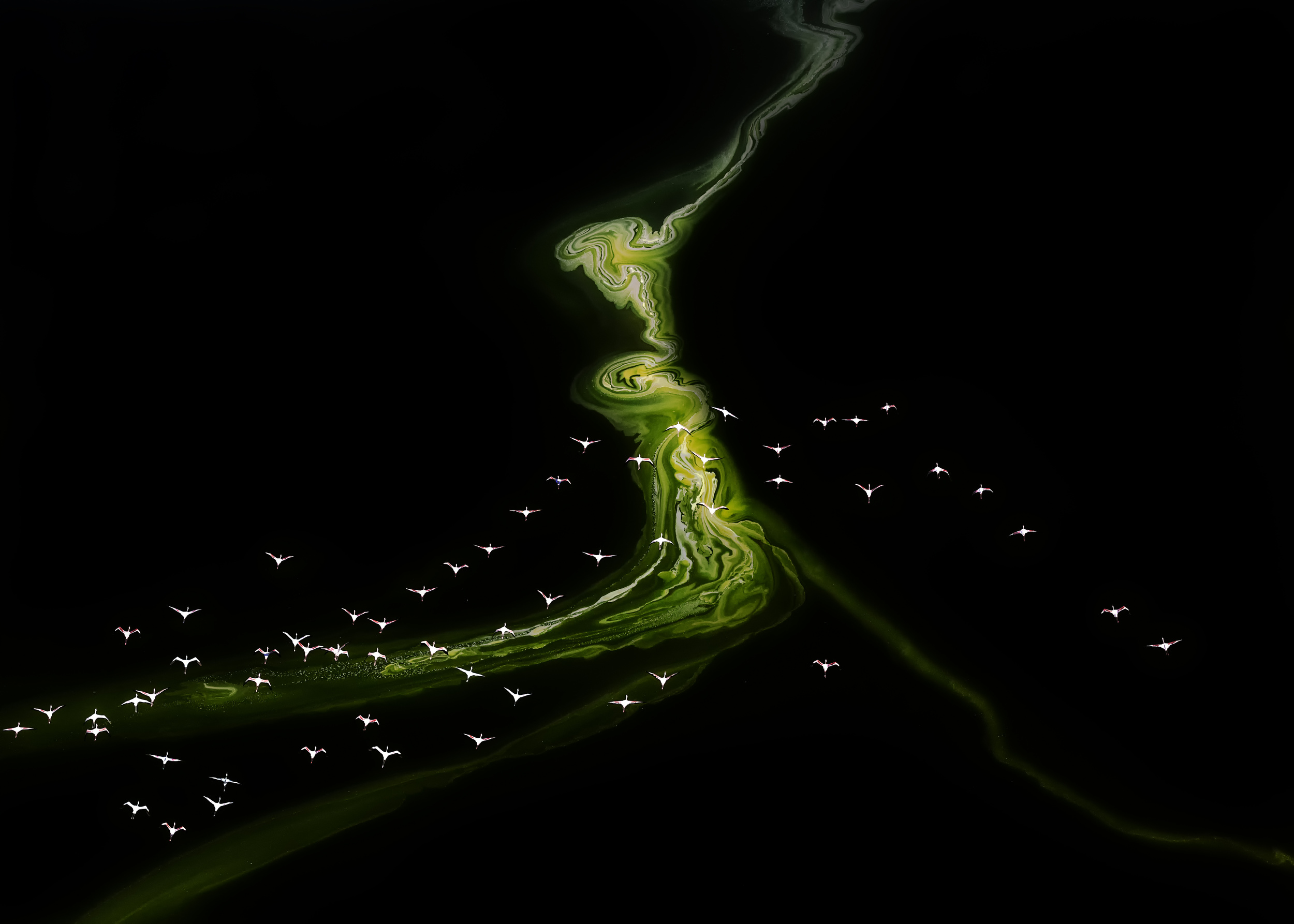
‘Flying over Incredible pattern’
What is your relationship with your subject matter beyond simply observing it?
When I spend long periods immersed in nature, I no longer feel like just an observer.
In wildlife photography in particular, it is through patience that a sense of connection is gradually created. After quietly observing animals for hours, you begin to understand their rhythms, habits and subtle emotional states.
Similarly, when capturing fleeting moments in the landscape, I often feel that I am not merely documenting the weather, but responding emotionally to the atmosphere itself.
Photography gradually becomes a form of participation rather than mere observation.
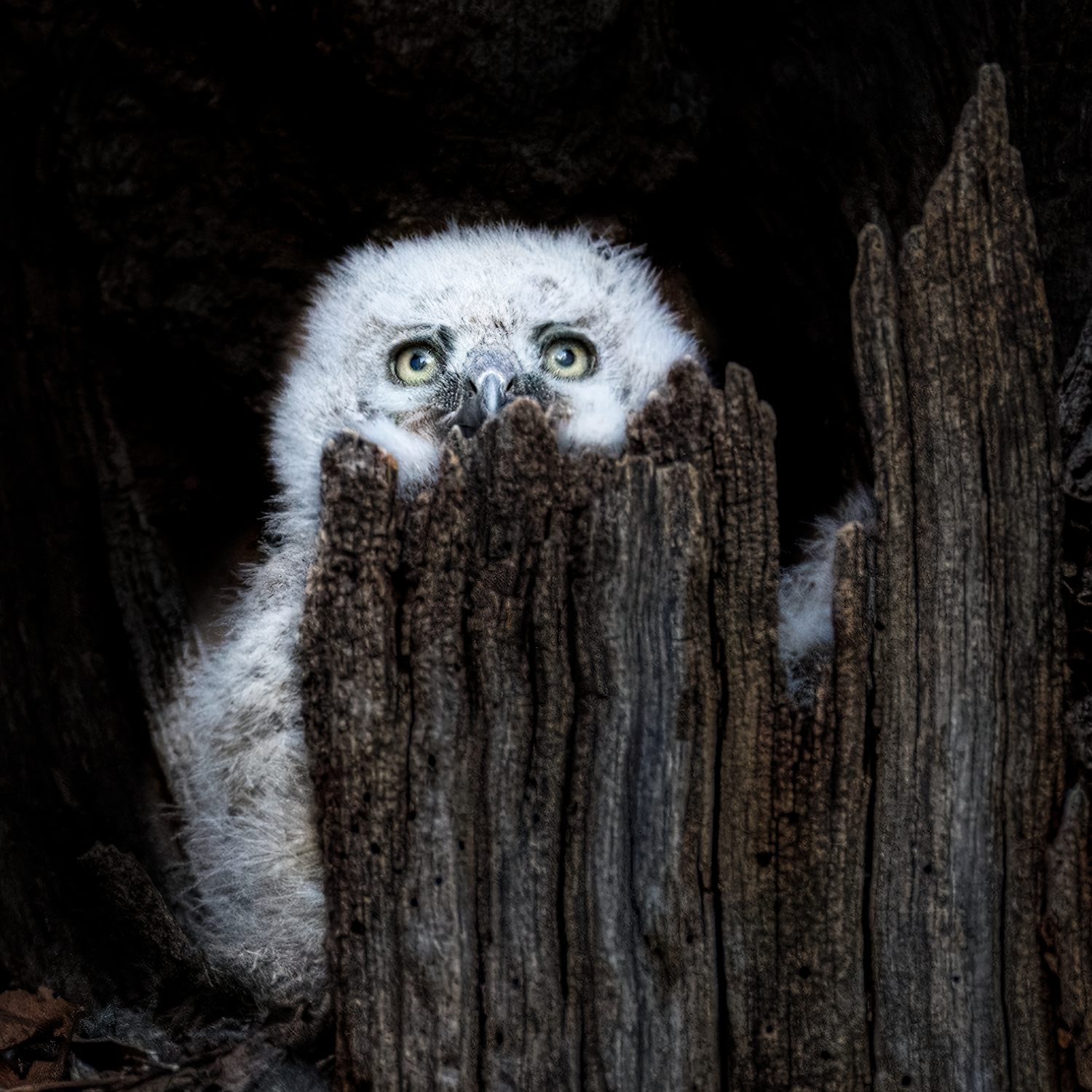
‘Scared’
Do you carefully plan the locations at which you intend to take photographs?
Absolutely! Preparation is an essential part of photography. Careful research and planning is required for weather conditions, temperature, drone regulations, light direction, terrain, and even animal or bird behaviour.
However, it's important to remember that preparation only increases the likelihood of success — it can never guarantee perfection.
Nature will always be unpredictable, and it is precisely this uncertainty that makes photography endlessly fascinating to me.
Describe your overall photographic vision.
My photography is not just about documenting what nature looks like; it's about expressing what it feels like to be immersed in it.
I am deeply drawn to the atmosphere, movement, silence, transformation and emotional tension of the natural world. When photographing storms, deserts, birds, wildlife or abstract aerial landscapes, I am always searching for those brief moments when nature reveals something deeper: vulnerability, power, impermanence or a sense of transcendence.
In recent years, I have also become increasingly interested in the impressionistic qualities within nature. I hope that my images will transcend mere documentation to evoke emotional memory, resembling paintings in their mood and expression.
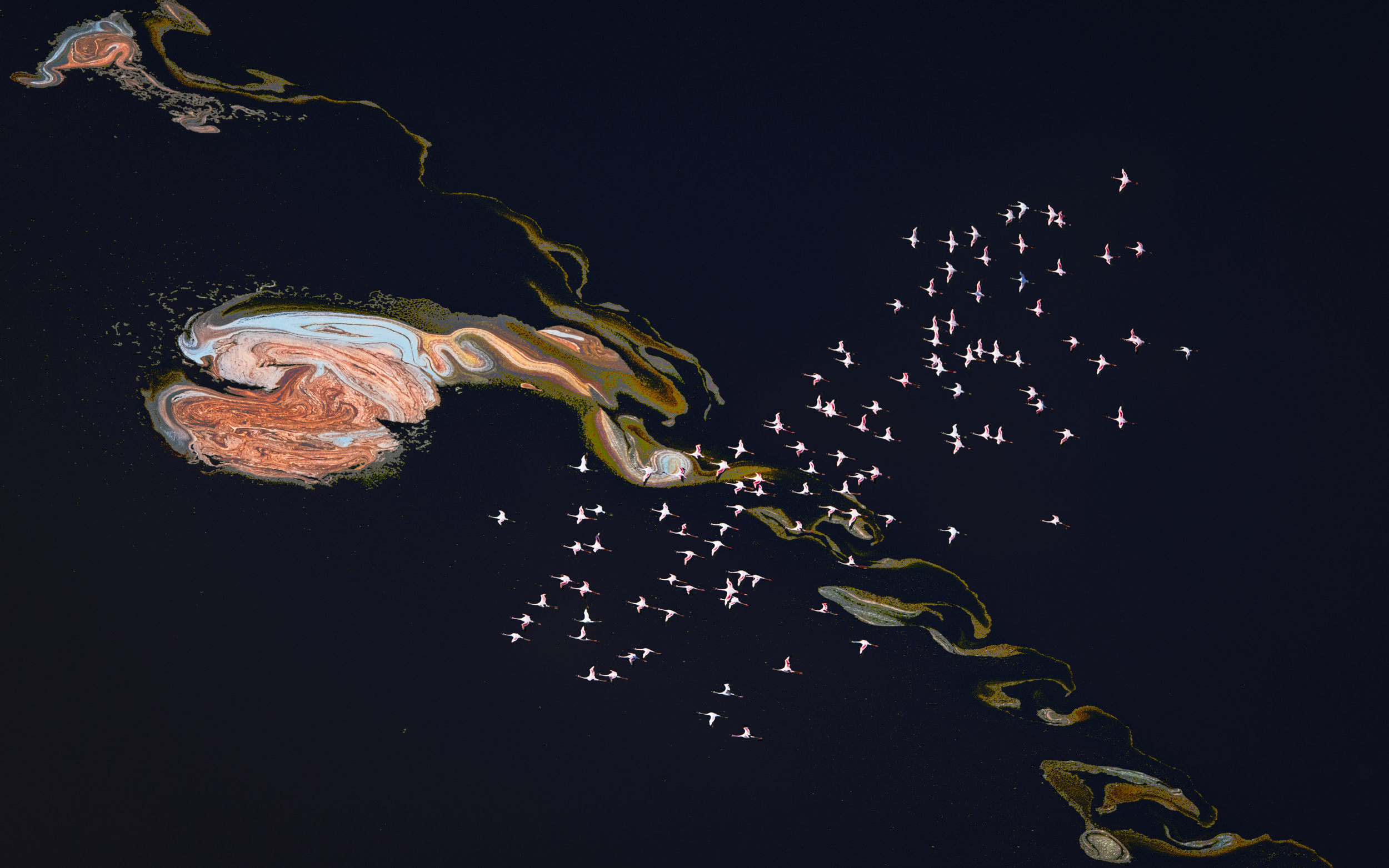
‘Peace’
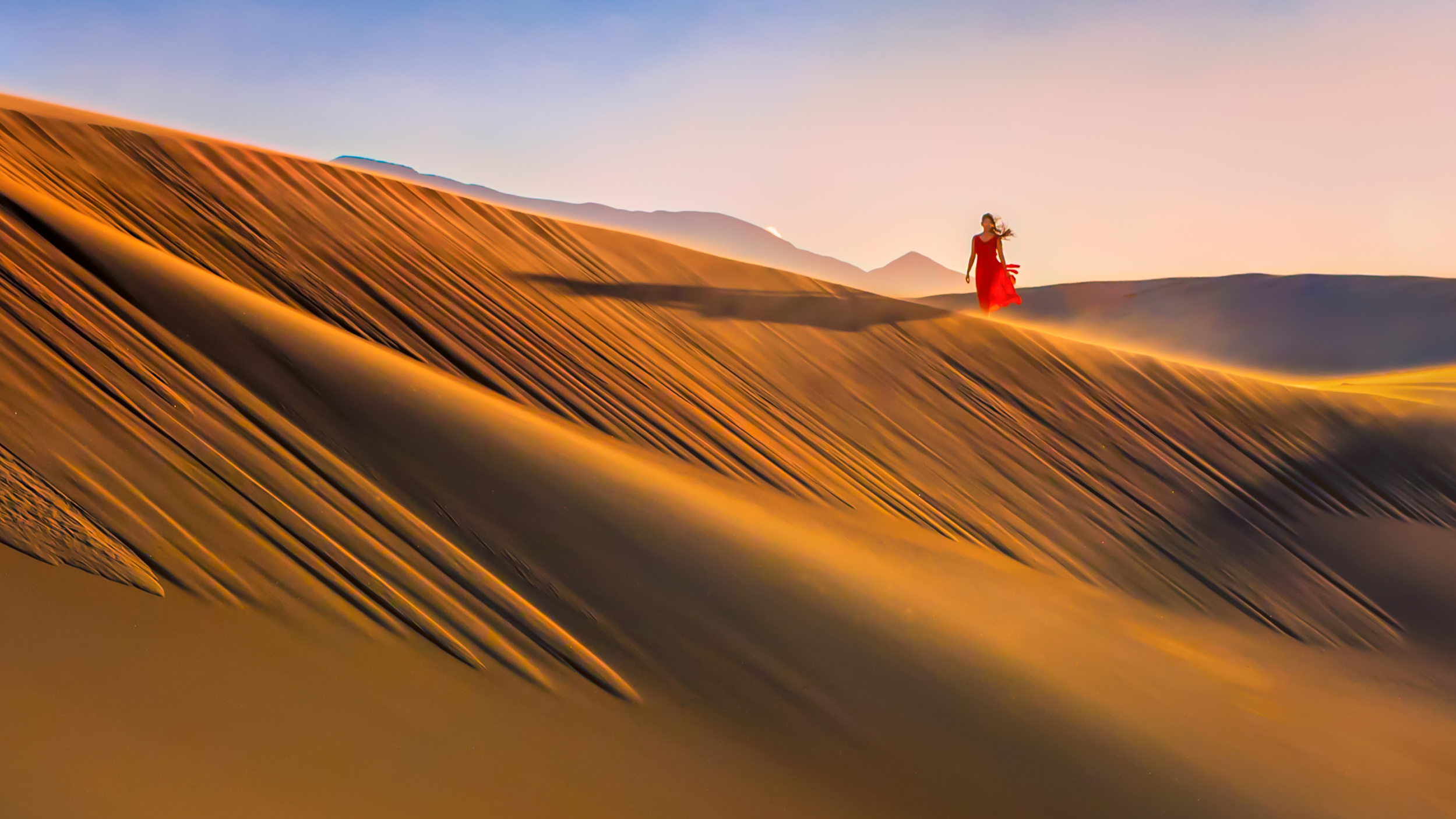
‘Desert Morning’
In your opinion, what are the main features of a successful landscape and/or wildlife photographer?
I believe that patience is the most important quality.
As well as technical skill, truly outstanding photographers need emotional sensitivity, curiosity, humility and the ability to maintain a sense of freshness and exploration, even after many years.
In many ways, photography is an art of imperfection and regret. When the shutter is pressed, there are always things that remain unfinished or unseen. Only through long-term dedication and persistence can a photographer gradually develop a truly personal visual language.
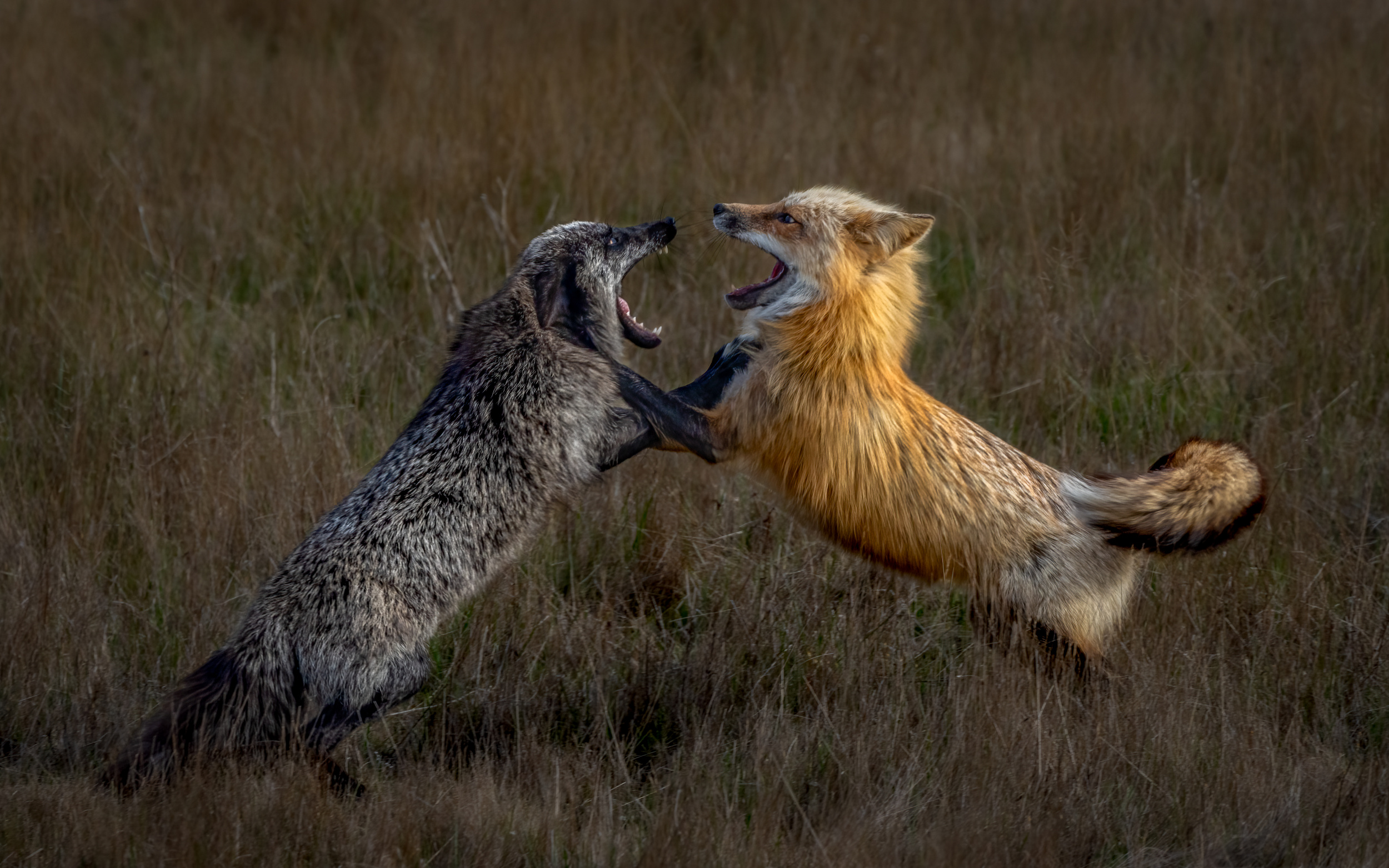
‘Go Away!’
Could you tell us more about your workflow, from initial idea to final product?
Due to the unpredictable nature of landscape and wildlife photography, pre-planned concepts often cannot be fully realized.
Therefore, when shooting in the field, I pay close attention to the light, movement, rhythm and emotional balance within the scene. During post-processing, my goal is not simply to reproduce reality, but to recreate the emotional experience of being there at that particular moment. In a sense, my editing process is based more on memory and emotion than absolute realism.
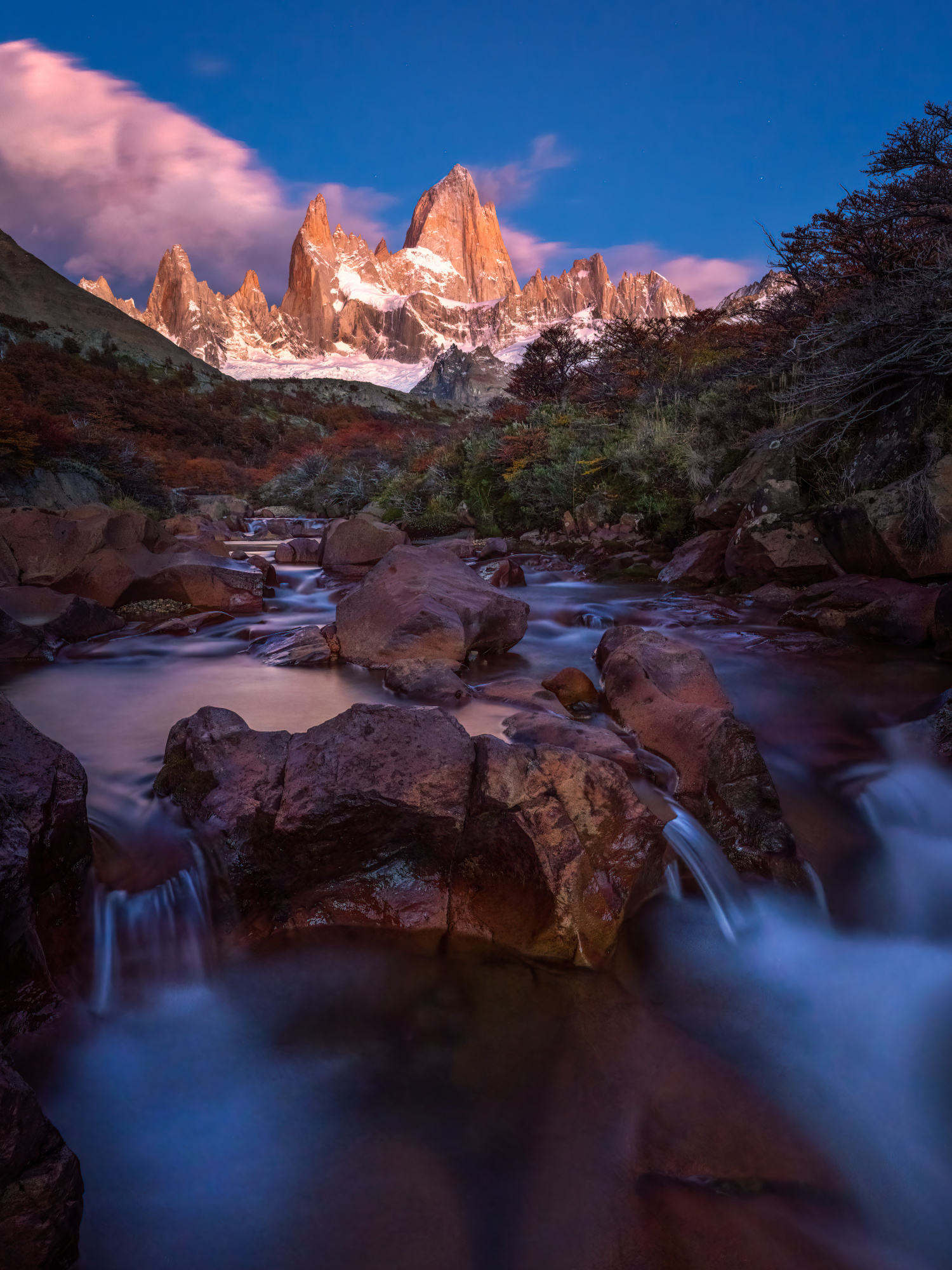
‘Fitz Roy and her Creek’
What is the source of your inspiration and what is it that inspires you the most?
My years of experience in photography have taught me that nature itself is my greatest source of artistic inspiration, particularly the ever-changing weather, fleeting light and those quiet yet emotionally charged moments.
I have also been deeply influenced by post-Renaissance painting, particularly in terms of atmosphere, emotion, spatial depth, light, shadow and composition. Traditional Chinese painting, with its sense of tranquillity, emptiness and misty poetic space, has also shaped my visual thinking without me realising it.
It is not specific subjects that inspire me, but rather moments that feel grand, unpredictable, emotional and somehow beyond the sense of time itself.
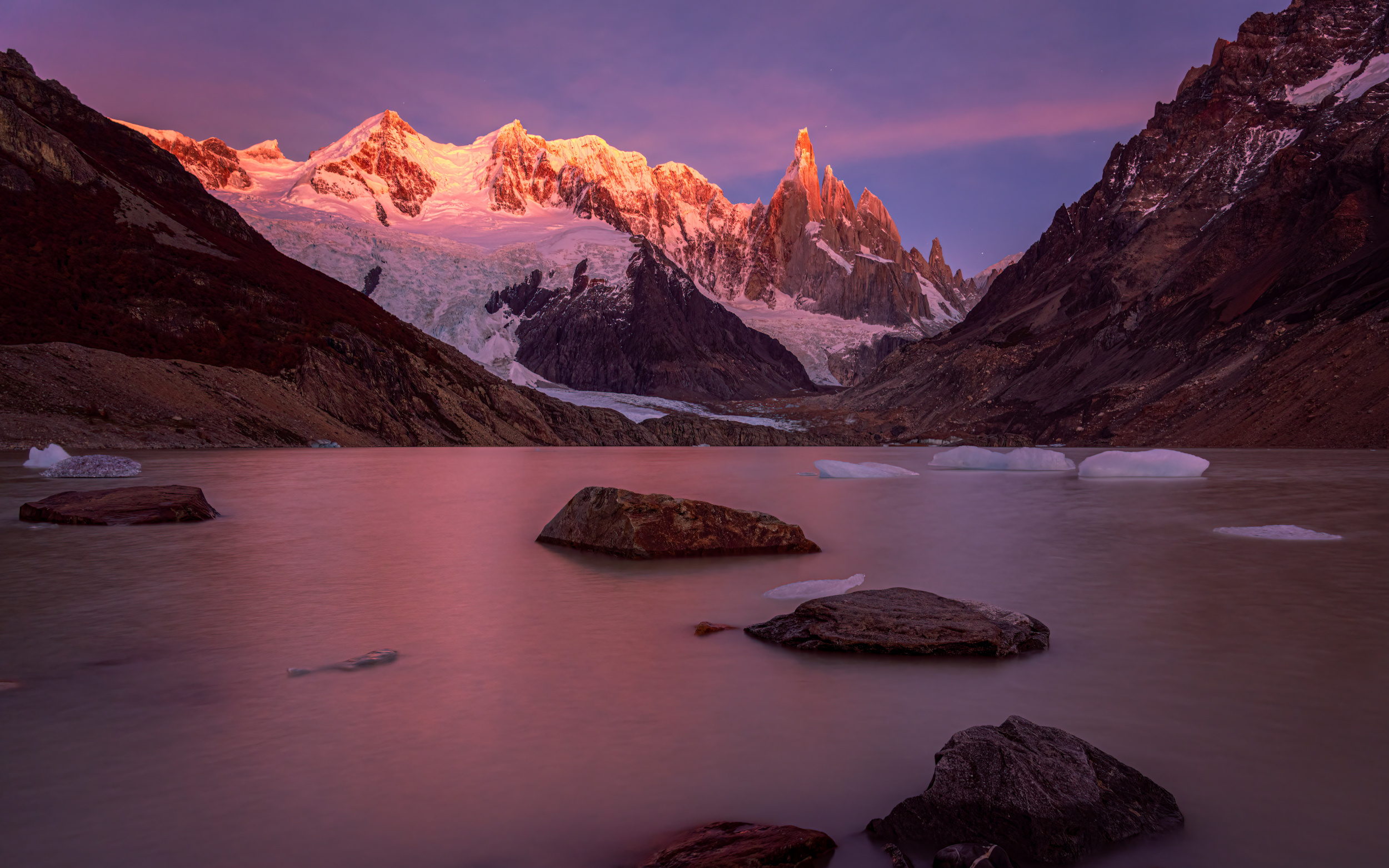
‘Alpenglow at Laguna Torre’
Many people believe that gear is not very important when you are passionate about photography. However, could you please tell us what equipment you use, such as your camera, lenses, lighting and tripod?
I currently use the Sony A1 Mark I system alongside a full range of wide-angle and telephoto lenses. I naturally rely more on long telephoto lenses for wildlife photography, while landscape photography often requires lenses below 200 mm. I also frequently use a tripod for stability and precision.
In recent years, the DJI Mavic 4 Pro drone has also become an invaluable creative tool for my landscape photography.
However, I have always believed that gear mainly expands possibilities. What truly matters are vision, patience and the emotional connection between photographer and nature.
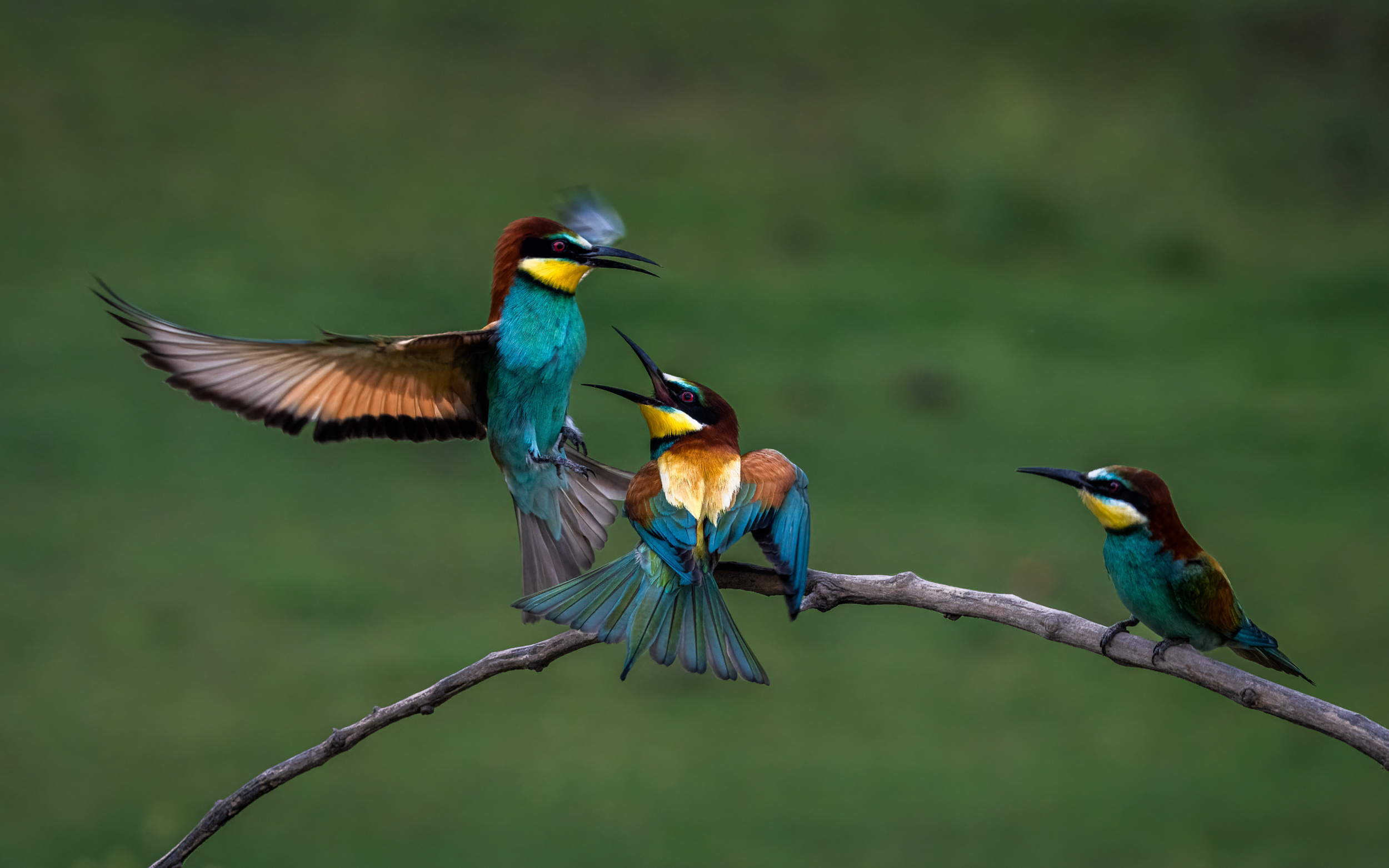
‘Hi, It is My Territory’
Which photo is your favourite? Please tell us the story behind your choice.
One of my favourite photographs is 'Sky's Curtain Was Drawn Open', which was taken at the Grand Canyon.
At the time, I knew that lightning storms were forming over the canyon. After studying possible foregrounds, storm movement, lightning activity and composition opportunities repeatedly, I finally chose a particular vantage point.
That evening, I was incredibly fortunate to witness one of the most intense lightning storms seen there in many years. Just after sunset, while a faint red glow still lingered on the distant horizon, I took a 20-second exposure of the breathtaking scene: two massive lightning strikes transferring enormous energy across the sky; heavy curtains of rain descending directly from the clouds; and the Grand Canyon itself seemingly swallowed by darkness.
The balance between cool and warm tones, the dramatic layers within the composition and the overwhelming sense of tension all came together perfectly in that moment.
For me, this image strongly reflects my belief that: 'I am less interested in documenting places than in revealing the emotional and spiritual atmospheres within nature.'
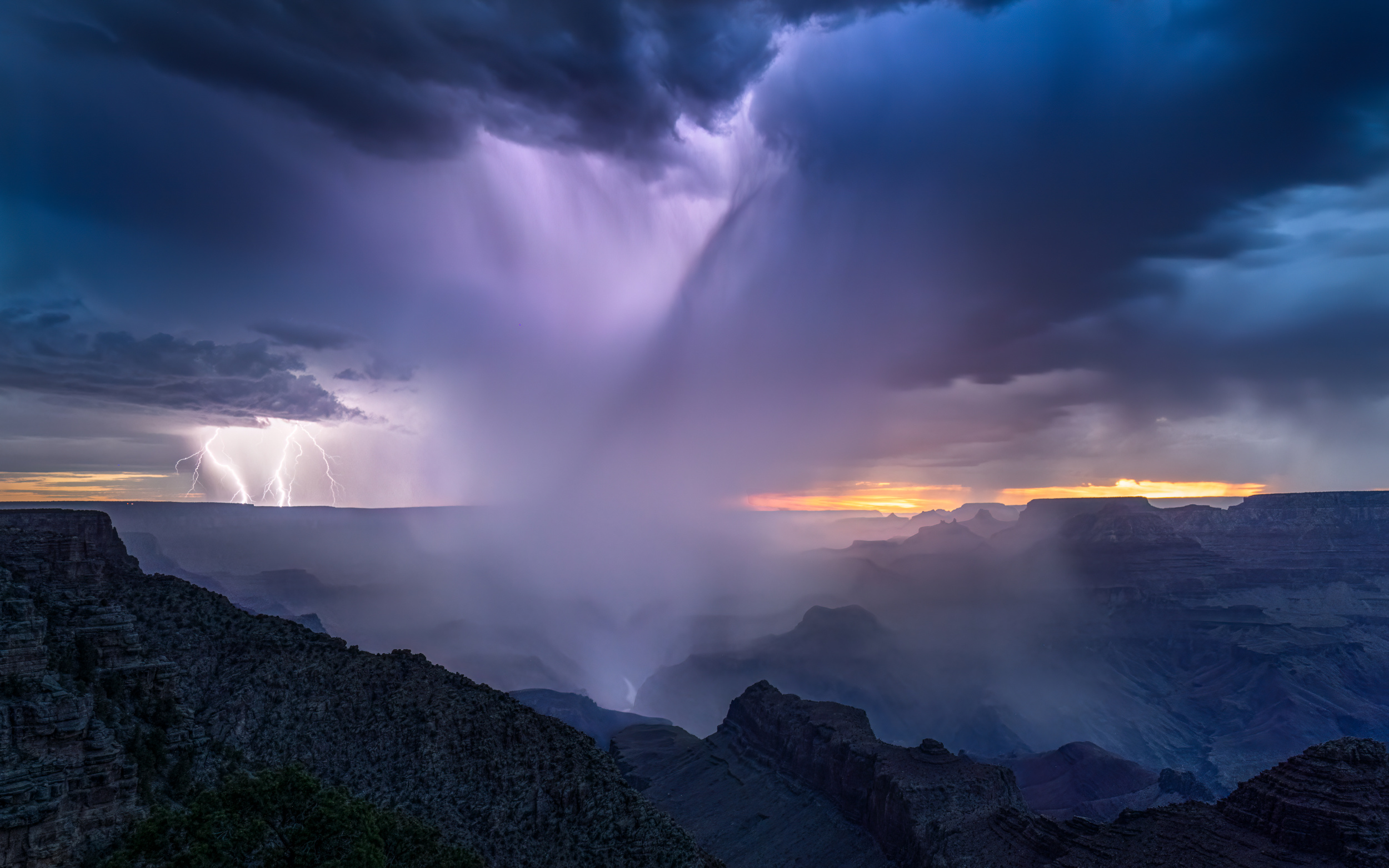
‘Sky’s Curtain was Drawn Open'
Which photographers or mentors have influenced you and your photography, and who are your favourites?
The photographers who influenced me most, besides masters such as Ansel Adams and Henri Cartier-Bresson, were the members of the renowned Chinese photography group Four Aperture, especially John Fan, Yiming Hu and Jeffrey Wu.
Attending their photography lectures in Chicago was a transformative experience for me, completely changing the way I viewed photographic art.
John Fan in particular devoted a great deal of time to helping me understand emotional expression, light, shadow and visual tension within photography.
Beyond photography itself, Impressionist painters such as Claude Monet and Thomas Kinkade, as well as various abstract expressionist artists, have also had a profound impact on my perception of atmosphere, movement and emotional space.
Now that we're almost at the end of the interview, could you please tell us about any photographic projects you'd like to be involved in?
In the future, I hope to continue exploring more personal and emotionally expressive approaches to nature photography. I also intend to further explore impressionistic photography as a means of revealing nature's deeper essence.
This may not come naturally to someone with an engineering background like mine, but I am willing to embrace the challenge.
Nature is alive — it breathes, flows and carries emotion, possessing immense power. I continue to wait for, and photograph, those rare moments when nature briefly reveals its soul.
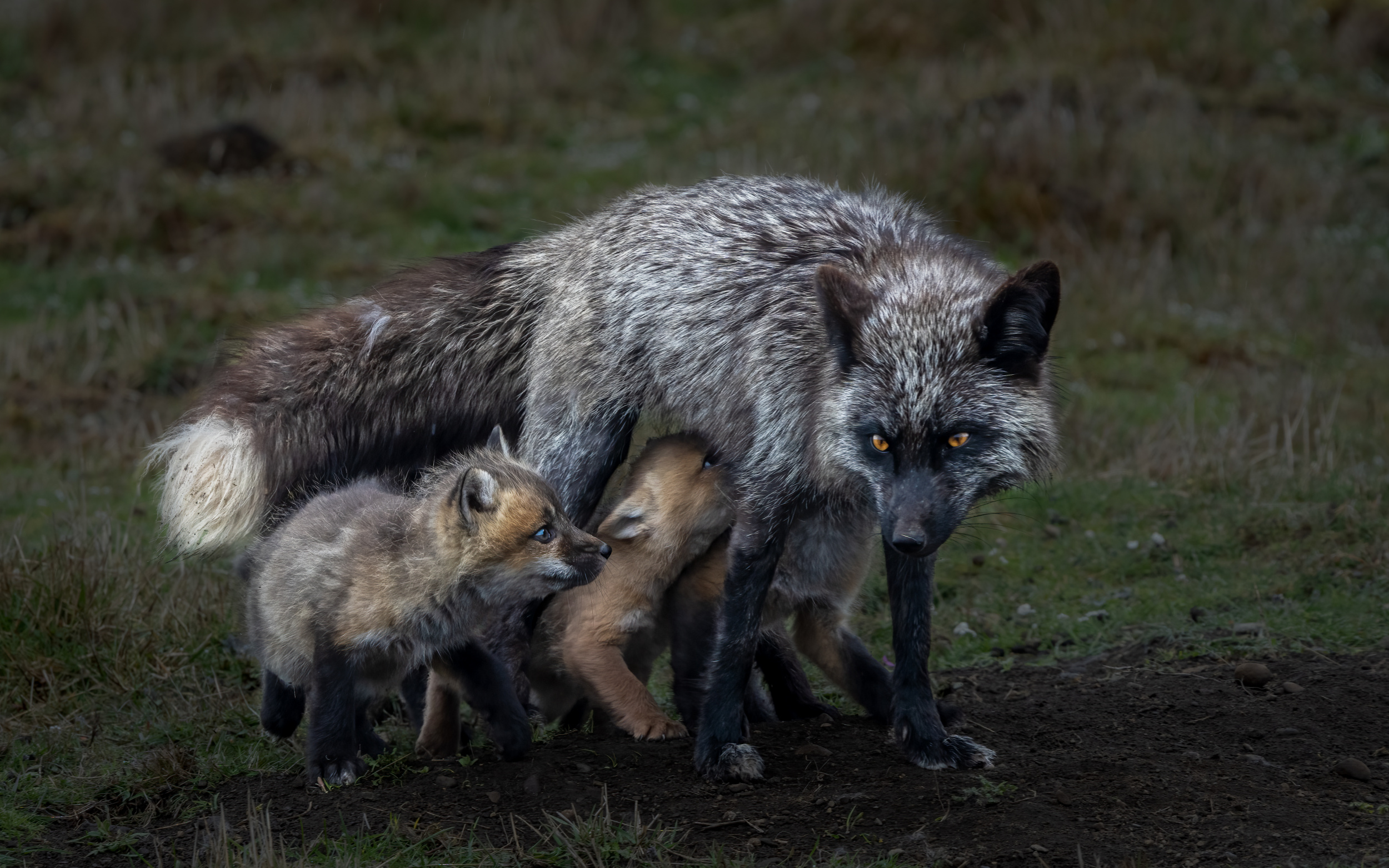
‘Vigilant Gaze’
Is there anything else you would like to add, and what are your thoughts on using 1X as a base for your work?
I truly appreciate 1X because it encourages photographers to slow down and focus on achieving emotional and visual coherence in their work, rather than simply producing large quantities of images.
To me, 1X feels more like a carefully curated artistic community than an ordinary social media platform, and I am grateful to be part of it.
Although photography is everywhere today, genuinely emotional and thought-provoking images remain rare. I believe that platforms like 1X encourage photographers to pursue deeper artistic exploration in this direction.
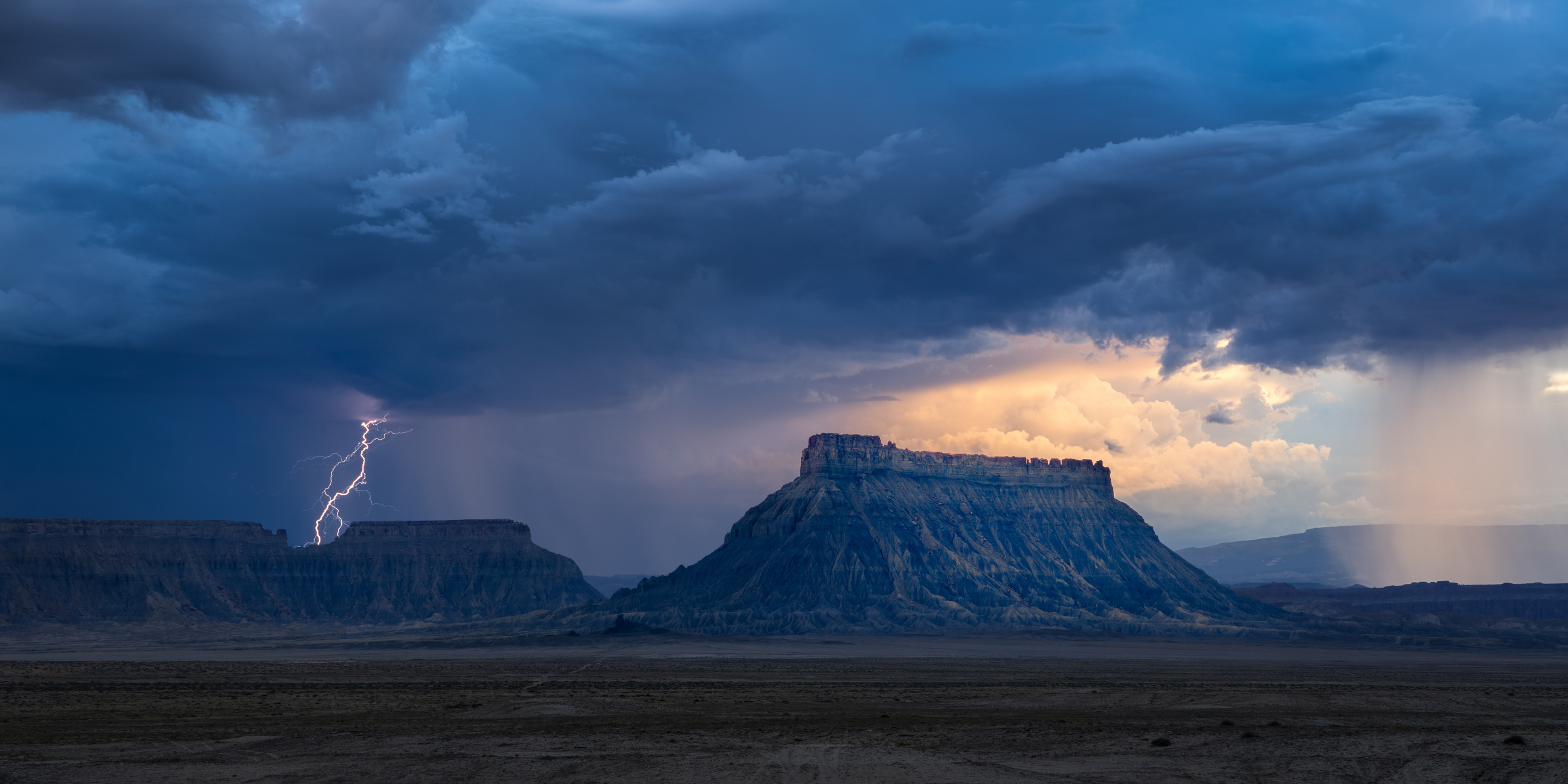
‘Coexistence of Water and Fire’
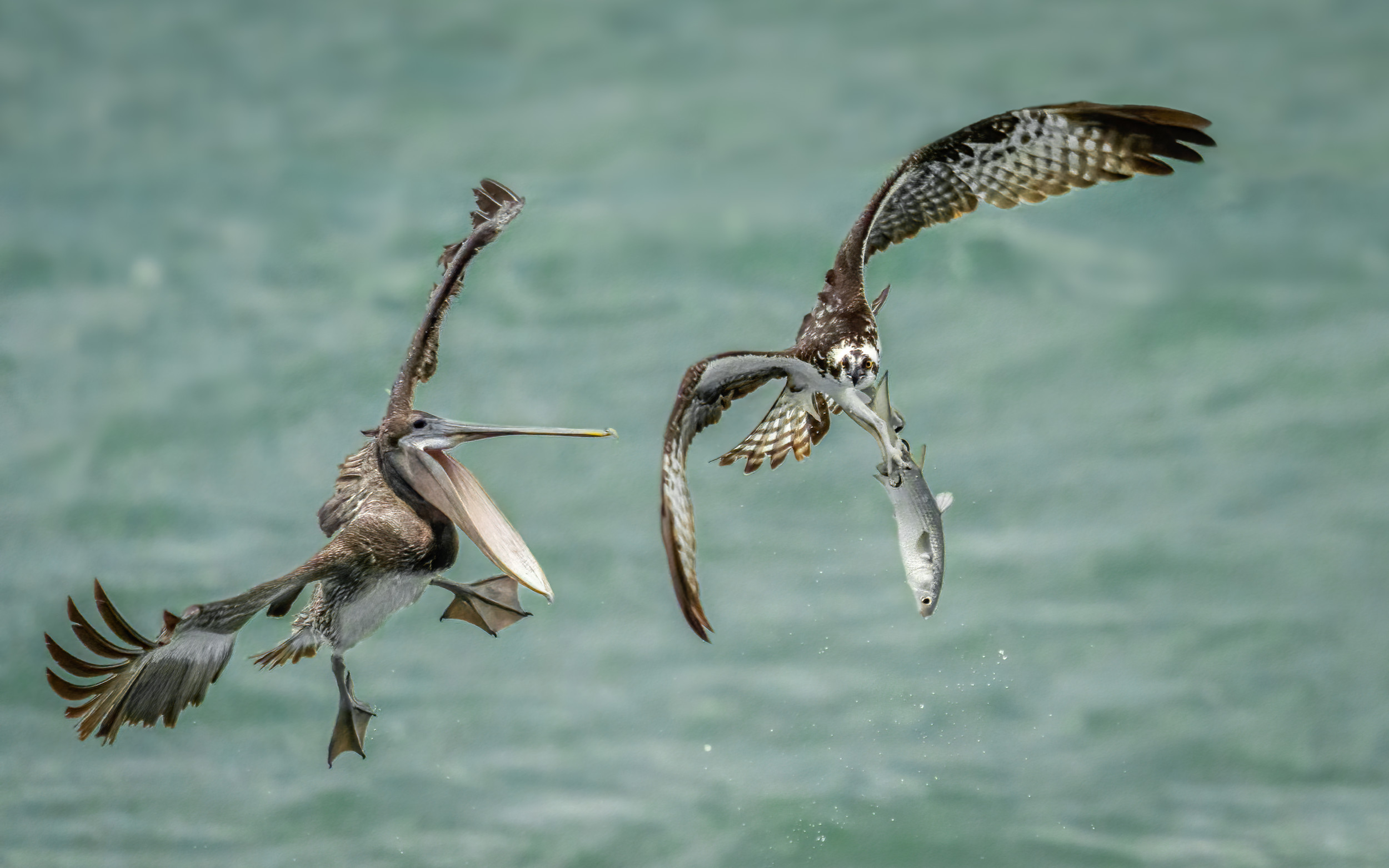
‘Fight for Living’
 | Write |
 | yein PRO Thank you for the great collection of pictures in various fields for nature. Congratulations on your interview
John J. Chen, photographer |
 | Kathryn King PRO This is not only a beautiful collection of photographs, but also an illuminating article with such interesting details. |
 | Yanny Liu PRO A truly collection of Art. Really touched especially knowing it all started with taking photos of your daughter as me. I truly love your images and the emotions they convey — especially those lightning photos. Big congratulations on this interview! |
 | Jorge Ribeiro Lume PRO Excellent collection! Congratulations! |
 | Wayne Pearson PRO Magnificent and inspirational work and story John, thank you and congratulations! |
 | Jun Zuo PRO Congratulatipns, John! Great works! |
 | Jianping Yang PRO What an amazing collection, congratulations! |
 | Viktor Patoka PRO Beautiful photos. Thank you for giving me the opportunity to see such stunning images. |
 | John J. Chen PRO Thank you so much for taking the time to read my interview and share your thoughtful comments. |
 | David Manusevich PRO Very beautiful gallery |
| John J. Chen PRO Thank you so much for taking the time to read my interview and share your thoughtful comments. |
 | Subhajit Das PRO Stunning work . Congratulations |
| John J. Chen PRO Thank you so much for taking the time to read my interview and share your thoughtful comments. |
 | Yu Mao PRO Amazing! Congratulations John! |
| John J. Chen PRO Thank you so much for taking the time to read my interview and share your thoughtful comments. |
 | Wanghan Li PRO Wonderful article with so many stories and the fantastic works! What nice experience you have! Learning! |
| John J. Chen PRO Thank you so much for taking the time to read my interview and share your thoughtful comments. |
 | joanaduenas PRO Beautiful gallery, varied and very moving. Thank you so much for sharing your experience. |
| John J. Chen PRO Thank you so much for taking the time to read my interview and share your thoughtful comments. |
 | Jeffrey C. Sink PRO Incredible imagery. |
| John J. Chen PRO Thank you so much for taking the time to read my interview and share your thoughtful comments. |
 | kevinduffus Thank you for sharing your amazing eye and works. |
| John J. Chen PRO Thank you so much for taking the time to read my interview and share your thoughtful comments. |
 | Hanping Xiao PRO Congratulations my friend! Very inspirational. |
| John J. Chen PRO Thank you so much for taking the time to read my interview and share your thoughtful comments. |
 | Yinghui Dan PRO Excellent collection of photos, thank you Yvette, congratulations to the author! |
| John J. Chen PRO Thank you so much for taking the time to read my interview and share your thoughtful comments. |
 | Ruiqing P. PRO Very inspiring journey, congratulations dear John. Your thoughtful reflections on uncertainty, transformation, and the emotional power of nature resonate deeply with me.
Thank you for sharing not only your images, but also the philosophy and sensitivity behind them.
Wishing you continued inspiration and many more extraordinary moments in your photographic journey. |
| John J. Chen PRO Thank you so much for taking the time to read my interview and share your thoughtful comments. |
 | Chong Q. Wu PRO My sincere and warmest congratulations to you, John! Your journey through photography is truly amazing and I am so lucky to bear witness to it. Thanks for sharing your vision, experience and excellent photo works with us here. I believe your pursuit of photography will lead you to the ultimate artistic achievement. Keep it up!👍 |
| John J. Chen PRO Thank you so much for taking the time to read my interview and share your thoughtful comments. |
 | Thierry Dufour PRO Amazing footage, superb interview. Thank you Yvette, congratulations John !!! |
| John J. Chen PRO Thank you so much for taking the time to read my interview and share your thoughtful comments. |